 Edit
Trump’s new Balkan friend: Vučić showers the U.S. president with praise, but does Washington feel the same?
Serbia’s president hails Trump as a peace-seeking pragmatic and promises him the best welcome Europe can provide
A recent wide-ranging interview with Breitbart News signals that Serbian President Aleksandar Vučić appears to have achieved a notable diplomatic win by capturing the attention of U.S. President Donald Trump.
Trump himself amplified the conversation by sharing interview excerpts on his Truth Social platform, which was perceived as a signal of warming personal rapport.
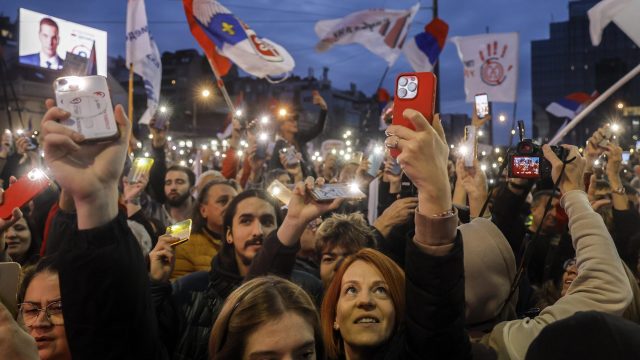
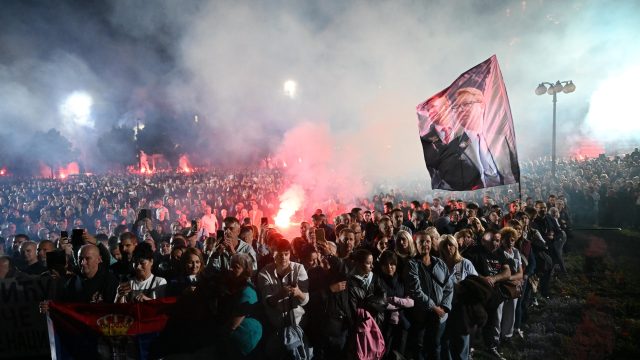
In the interview conducted in late May, Vučić painted a flattering picture of Trump’s popularity in Serbia. He noted that support for tTrump exceeded 75 percent among Serbs who followed the 2024 U.S. election campaign, an enthusiasm unmatched not even in the traditionally conservative American states.
This overwhelming support, according to Vučić, stems from several intertwined factors that resonate deeply with Serbian society. After decades of perceived pressure from Washington, particularly during the Clinton administration and the 1999 NATO bombing campaign, many Serbs yearned for a fresh chapter in bilateral relations. They have always admired the American dream, yet felt that U.S. policy often treated their small country as a target for coercion rather than a partner. Trump’s straightforward style offered hope for a new beginning based on mutual respect rather than lectures.
Vučić highlighted Trump’s willingness to champion conservative values openly. In a region where family, tradition, and Christian heritage remain central to national identity, Serbs appreciated Trump’s clear messaging on these issues. “People wanted clear and very simple messages,” the Serbian president explained. He pointed to Trump’s emphasis on biological reality regarding gender and his defense of Christian principles as particularly appealing in a society skeptical of progressive social experiments coming from Brussels or Washington.
The Serbian leader stroke a chord with Trump by criticising the European elites. He observed that many in Brussels and other European capitals still fail to grasp the shift represented by Trump’s America First approach. “They were listening to what they wanted to hear, not what was really said,” Vučić remarked, referencing recent speeches by senior U.S. officials. He warned that nostalgia for the old transatlantic order would not serve Europe well and urged leaders to adopt a more rational, interest-driven mindset.
Vučić extended a warm personal invitation for Trump to visit Belgrade, promising an unprecedented welcome. “I guarantee President Trump that he’s going to see the biggest crowd… at least 100,000 people,” he declared. He drew on shared history to underscore the potential of such a visit: Serbia’s alliance with the United States in both World Wars, the heavy sacrifices made by Serbs against Nazi aggression, and the rescue of American pilots. While acknowledging past strains, particularly the NATO intervention, he framed a future Trump visit as a chance to revive traditional friendship and open new avenues for economic partnership.
A difficult relationship
Despite the optimistic tone of the Breitbart conversation, the broader picture of Serbia-U.S. relations reveals notable challenges. Early in Trump’s second term, hopes ran high in Belgrade. During his first administration, Trump’s team, including special envoy Richard Grenell, appeared more sympathetic to Serbian positions on the Kosovo issue. Speculation swirled about possible border adjustments and stronger pressure on Pristina. Business opportunities, including real estate interest from Jared Kushner, further fueled optimism.
Yet developments in late 2025 and early 2026 have tempered expectations. Last May Vučić abruptly cut short his visit to the United States after reportedly falling ill, just before a scheduled meeting with the U.S. president. Reportedly, the real reason was a ban from a Republican Party forum in Florida, enforced by Trump’s chief of staff, Susie Wiles.
Susie Wiles: The gatekeeper who prevented Vučić from meeting Trump
Trump’s son-in law Jared Kushner ultimately stepped back from Serbian projects. More significantly, Trump’s launch of the “Board of Peace” initiative in Davos saw Kosovo and Albania participate enthusiastically while Serbia received no invitation. Analysts in Belgrade interpreted this as a diplomatic signal, suggesting that Albanian lobbying may have gained ground in Washington. Some experts argue that Serbia must now pursue a more balanced foreign policy, strengthening ties with multiple global powers, including China and Russia, rather than pinning all hopes on Washington.
To add insult to injury, even Vučić’s puppet in Republika Srpska, Milorad Dodik, got better treatment in the U.S. than his Belgrade master.
Trump’s decision to share the Breitbart interview on Truth Social suggests that Vučić’s message finally got through. Whether this translates into concrete policy shifts – stronger economic ties, high-level visits, or renewed attention to Serbian concerns, remains to be seen.
Sources: Breitbart News, BETA, BGNES, Guardian
From Belgrade hopes to cold shoulder: Albanian influence prevails in Trump’s Balkans pivot
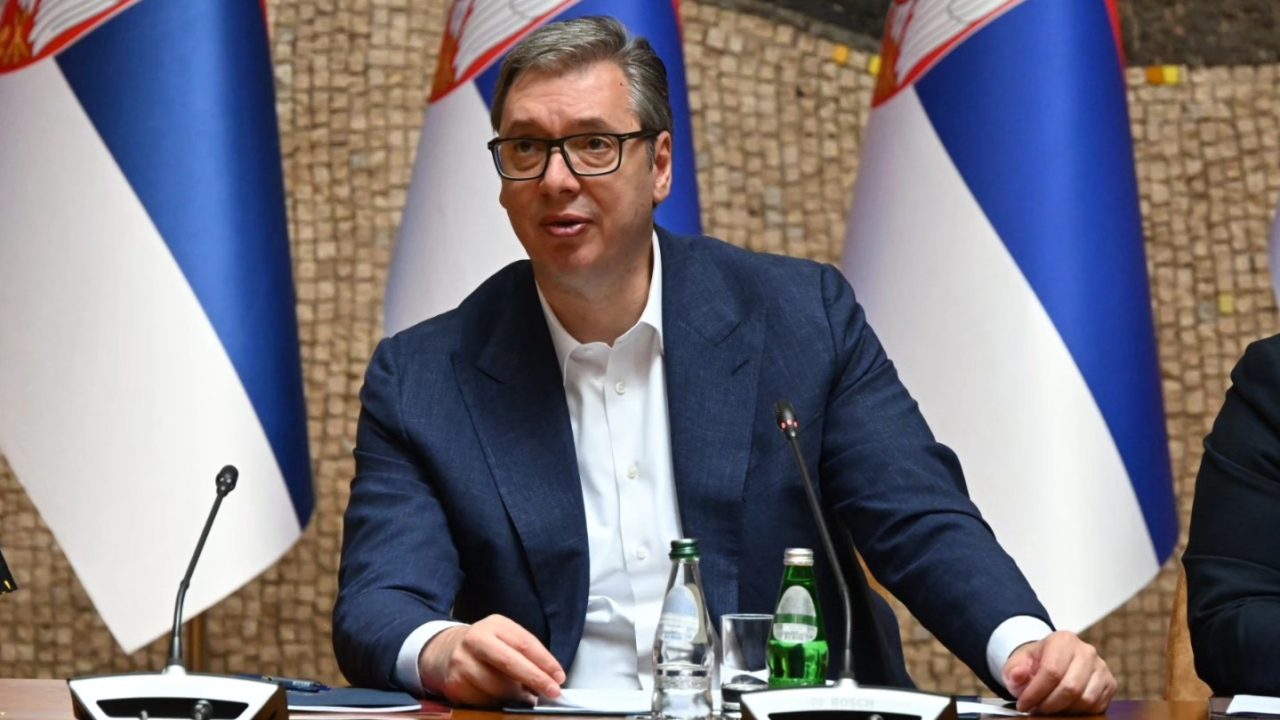
Caption: In the interview conducted in late May Vučić painted a striking picture of Trump’s popularity in Serbia. [Presidency of Serbia]
Updated: June 1, 2026 - 10:58