 Edit
Trump’s desperate push for an Iran ceasefire: midterm panic meets Tehran’s calculated delay
Thе classic Iranian negotiating doctrine is: never appear desperate, never accept the first offer, and let the other side’s domestic clock run down
On 26 March – barely four weeks into the most dangerous Middle East war since 1979 – U.S. President Donald Trump is openly projecting confidence while privately racing the clock.
A 15-point US ceasefire proposal, delivered to Tehran via Pakistan, demands the dismantling of Iran’s nuclear programme, ballistic missile capabilities and regional proxy funding. Trump’s public line is triumphant: Iranian leaders “want to make a deal so badly” but are too scared to admit it. The reality, however, is more revealing. Trump is the one who cannot afford this conflict to drag on.
Why Trump is in a hurry
The war that began on 28 February with U.S.-Israeli strikes on Iran has already produced catastrophic side-effects for the American economy. The Strait of Hormuz – through which 20 % of global oil flows – is effectively paralysed. Oil prices have spiked, supply chains are fracturing, and the World Food Programme warns of tens of millions more people facing acute hunger by June. For an administration that campaigned on “energy dominance” and lower inflation, this is political poison.
Midterm elections are exactly seven months away (3 November 2026). History shows that sitting presidents bleed seats when voters feel economic pain. A prolonged war with daily headlines of rising fuel costs, empty supermarket shelves and stock-market volatility would hand Democrats a ready-made narrative: “Trump’s chaos is costing you at the pump and the checkout.” The White House knows this. That is why Trump is publicly claiming victory (“they have been defeated militarily”) while pushing hard for a quick exit – even if the terms look generous to Iran.
Tehran’s strategy: play for time
Iran’s response has been deliberately calibrated to exploit exactly this pressure. Foreign Minister Abbas Araqchi confirmed the regime is “reviewing” the US proposal – but immediately ruled out any direct talks. “Exchanging messages through friends is not negotiation,” he said on state television. Tehran has also added its own condition: any ceasefire must include Lebanon, effectively protecting Hezbollah and keeping the wider “Axis of Resistance” intact.
This is classic Iranian negotiating doctrine: never appear desperate, never accept the first offer, and let the other side’s domestic clock run down. Supreme Leader Ali Khamenei is dead, his son Mojtaba wounded and invisible, yet the regime’s survival instinct remains razor-sharp. Iranian officials understand that every extra week of fighting increases the political cost to Trump at home. They are betting that the U.S. president will eventually blink first and accept watered-down terms.
Trump’s exposed weakness
The contrast is striking. Trump’s rhetoric remains maximalist (“hit harder than they have ever been hit before”), yet his actions betray urgency. He has not identified who in the fractured Iranian leadership the US is supposedly negotiating with. Israel is openly sceptical about any deal that might constrain its pre-emptive options. Meanwhile, the Pentagon continues pouring troops and assets into the Gulf for potential ground operations – a sign that the administration is hedging against Iranian intransigence.
Tehran has read this weakness correctly. The regime knows Trump’s political capital is finite. It also knows that the longer the conflict lasts, the more global economic fallout lands on the US voter’s doorstep – and the stronger the domestic pressure on the White House to declare “mission accomplished” and move on.
The bottom line
This is not diplomacy as usual; it is a race between Trump’s midterm calendar and Iran’s survival calculus. The US president is eager to close the file before the economic damage becomes electoral catastrophe. Iran, bloodied but not broken, is content to let the clock tick, confident that time is on its side. The coming weeks will show whether Trump can force a deal on his terms — or whether Tehran’s patient game will extract the concessions it needs to survive another day.
With Reuters.
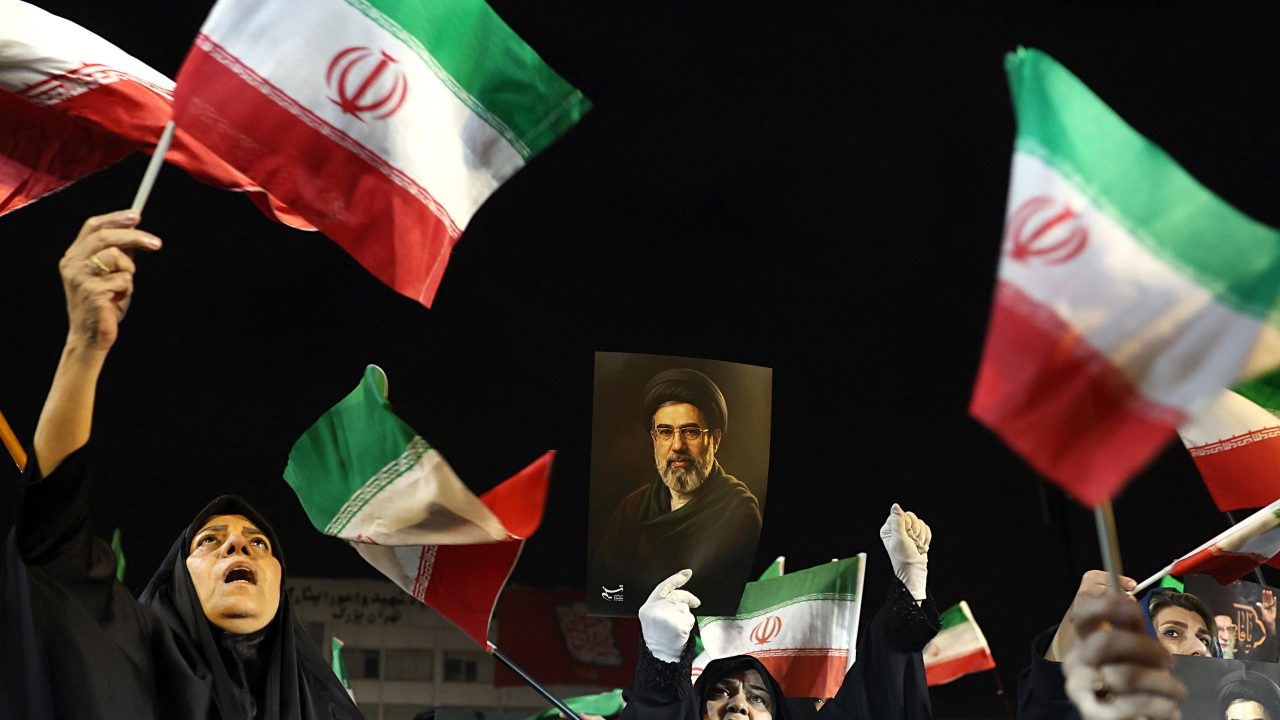
Caption: Iranian people chant, wave flags and hold posters of the new Iranian supreme leader Mojtaba Khamenei during a rally in support for the military, in Tehran, Iran, 25 March 2026. A joint US and Israeli military operation, launched on 28 February 2026, continues to target strategic sites across Iran. EPA/ABEDIN TAHERKENAREH
Updated: March 26, 2026 - 07:47





