 Edit
EditSpain closes airspace to U.S. planes involved in Iran war
The move goes beyond Madrid’s earlier refusal to allow the use of jointly operated bases like Rota and Morón in southern Spain for such missions
Spain has escalated its opposition to U.S. military operations in the ongoing Iran conflict by closing its airspace to American aircraft participating in strikes on Iran, Defence Minister Margarita Robles said on Monday.
The move goes beyond Madrid’s earlier refusal to allow the use of jointly operated bases like Rota and Morón in southern Spain for such missions.
U.S. aircraft, including refuelling tankers, have already been relocated from those facilities. The airspace restriction does not apply to emergencies, but it forces U.S. planes to reroute around Spain en route to Middle East targets. Spain’s Economy Minister Carlos Cuerpo described the decision as consistent with the government’s refusal to “participate in or contribute to a war which was initiated unilaterally and against international law.” Prime Minister Pedro Sánchez has repeatedly called the U.S. and Israeli strikes “reckless and illegal.”
This latest friction highlights deepening strains in U.S.-Spain relations under President Donald Trump. Tensions boiled over earlier in March when Spain denied base access for Iran-related operations, prompting Trump to threaten a full U.S. trade embargo on the NATO ally, calling Spain “terrible” and declaring, “We don’t want anything to do with Spain.” He directed Treasury Secretary Scott Bessent to cut off all dealings, framing the dispute as part of broader frustrations with European allies over defence spending and support in the Iran campaign.
Spanish businesses and regional leaders have expressed alarm over potential economic fallout, while the EU Commission has voiced solidarity with Madrid, pledging to safeguard member-state interests against unilateral U.S. pressure.
Trump’s scepticism toward NATO has long coloured transatlantic ties and has intensified amid the Iran war. In recent weeks, he has openly questioned U.S. commitments to the alliance, stating in Miami on 27 March that “we don’t have to be there for NATO” because European members have declined material support for U.S. operations in the Gulf. He has described NATO’s reluctance to help secure the Strait of Hormuz – a critical chokepoint for global oil – as a “very foolish mistake” and a failed “great test” for the partnership. These remarks echo his longstanding criticism of allies for under-spending on defence and his past suggestions that the U.S. might not defend non-compliant members. The Spain dispute has become a flashpoint, blending NATO burden-sharing grievances with opposition to the Iran strikes.
The military escalation around Iran, now in its fifth week since the 28 February U.S.-Israeli surprise airstrikes, has grown increasingly regional and costly. Initial operations targeted Iranian missile sites, air defences, nuclear facilities, and senior leadership, including the assassination of Supreme Leader Ali Khamenei and other top officials. Iran has retaliated with missile and drone strikes on Israeli targets, U.S. bases in the Gulf, and infrastructure in neighbouring countries, while tightening control over the Strait of Hormuz (imposing tolls and disrupting shipping). The U.S. has surged troops, Marines, and amphibious assets into the region, with costs already estimated at $18 billion and requests for hundreds of billions more. Strikes have hit energy infrastructure, airports, and even cultural heritage sites, drawing UNESCO warnings, while Iranian-backed groups like the Houthis have joined the fray, widening the conflict and triggering global oil market volatility and economic ripple effects.
Despite occasional talk of diplomacy, the chances that negotiations will achieve a meaningful breakthrough remain low in the near term. The U.S. has presented Iran with a 15-point proposal – via Pakistani intermediaries – that demands dismantling its nuclear program, ending uranium enrichment, surrendering enriched stockpiles, curbing missiles, severing support for regional proxies, and guaranteeing freedom of navigation through the Strait of Hormuz. Iranian officials have dismissed it as “maximalist and unreasonable,” insisting on their own conditions such as a full halt to U.S.-Israeli attacks, compensation for damages, and international recognition of their regional role. Tehran has repeatedly stated it will not negotiate “under fire,” and while Trump has claimed Iran is “begging” for a deal and postponed some strikes for talks, Iranian leaders deny direct engagement and continue military operations.
Analysts note the hardened positions on both sides, the domestic political risks for Iran’s new leadership, and the absence of mutual trust make a swift or substantive agreement unlikely, even as back-channel efforts via Pakistan and others continue.
With Reuters, with additional content by EUalive.
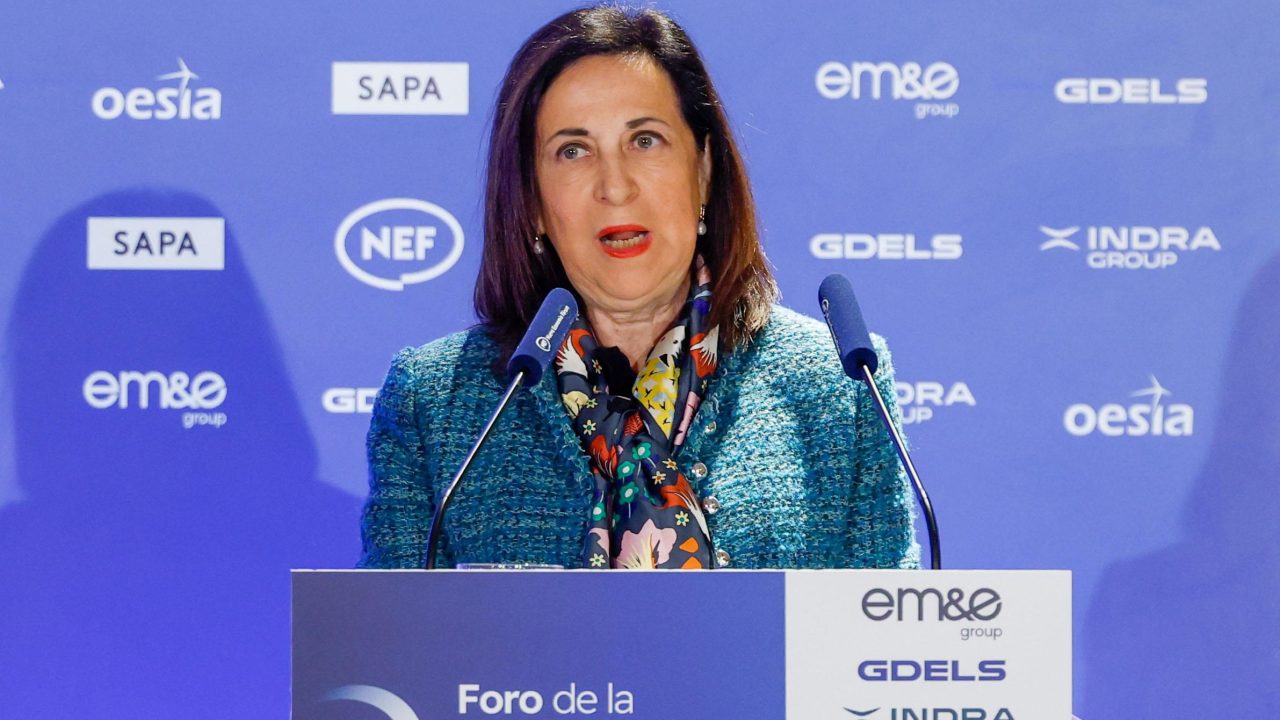
Caption: File photo. Spanish Minister of Defence Margarita Robles presents European Commissioner for Defence and Space Andrius Kubilius during a briefing breakfast organized by the New Defence and Space Forum in Madrid, Spain, 20 February 2026. EPA/J.J.GUILLEN
Updated: March 30, 2026 - 12:47