 Edit
EditCosta’s budget tour ends in Berlin’s rebuke
Germany accuses Council president of losing touch with reality
European Council President António Costa completed the bulk of his “tour des capitales” last week, only to face an immediate and unusually blunt public rebuke from Germany over the conclusions he drew from it.
Costa began the tour in late August in Bratislava with Slovak Prime Minister Robert Fico, one of the toughest voices in the “Friends of Cohesion” camp that wants to protect agriculture and regional funds. He then travelled through the Baltics, Central Europe, the south and several larger capitals, meeting 25 leaders before wrapping up in Dublin with Irish Taoiseach Micheál Martin, whose country holds the Council presidency. Sweden was skipped because of its election.
Costa begins EU budget tour with Slovakia’s Fico, one of Brussels’ most difficult partners
In a POLITICO interview given at the end of the tour, Costa said new EU-wide taxes – “own resources” that national governments are not already collecting – were essential to keep national contributions under control and to avoid deep cuts. He added that slashing defence, competitiveness or agriculture would meet resistance: “Who wants to cut on defence? No one.” He insisted every leader he met remained committed to a deal by the end of 2026 so the new Multiannual Financial Framework can start on 1 January 2028.
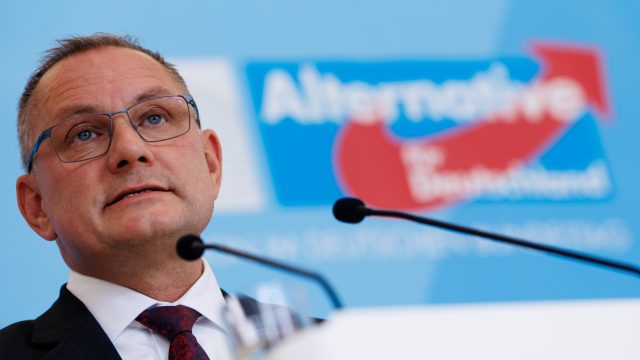
Germany’s Europe minister, Günther Krichbaum, rejected that assessment on Tuesday as Europe ministers gathered in Brussels. He called Costa’s remarks “not very helpful,” demanded “more realism” and asked whether the Council president had “completely lost touch with reality.” National budgets are under enormous pressure, Krichbaum said, and “the sky isn’t the limit.” Berlin and other net-contributor countries continue to demand cuts of several hundred billion euros from the Commission’s near-€2 trillion proposal and do not accept new EU taxes as a substitute.
The clash illustrates the two camps Costa has been trying to bridge. The “frugals,” now coordinated more tightly by German Chancellor Friedrich Merz, want a smaller overall envelope, a shift toward defence and competitiveness, and no new common borrowing. Cohesion-friendly countries, including Slovakia, Poland, Spain and others, insist traditional spending on farmers and poorer regions cannot be gutted. Costa’s tour confirmed both sides remain far apart on the numbers even if they share the same December deadline.
Ireland is due to table a revised negotiating document, the “negobox,” in early October. Leaders will discuss it at their 15 October summit. Costa has also floated a possible dedicated budget meeting in late November. Without an agreement this year, the EU would fall back on a restrictive provisional regime that would freeze new programmes while routine farm payments continue.
Costa’s decision to start with one of Brussels’ most difficult partners and finish with an optimistic public reading of the tour has now produced the first open clash with the EU’s largest net contributor. The upcoming EU summit will show whether the Council president can still convert private conversations into a landing zone both camps can accept.
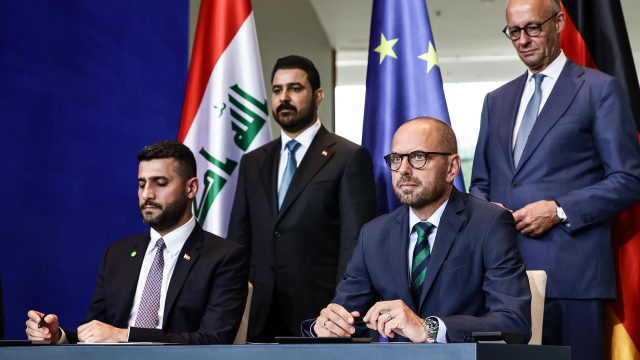
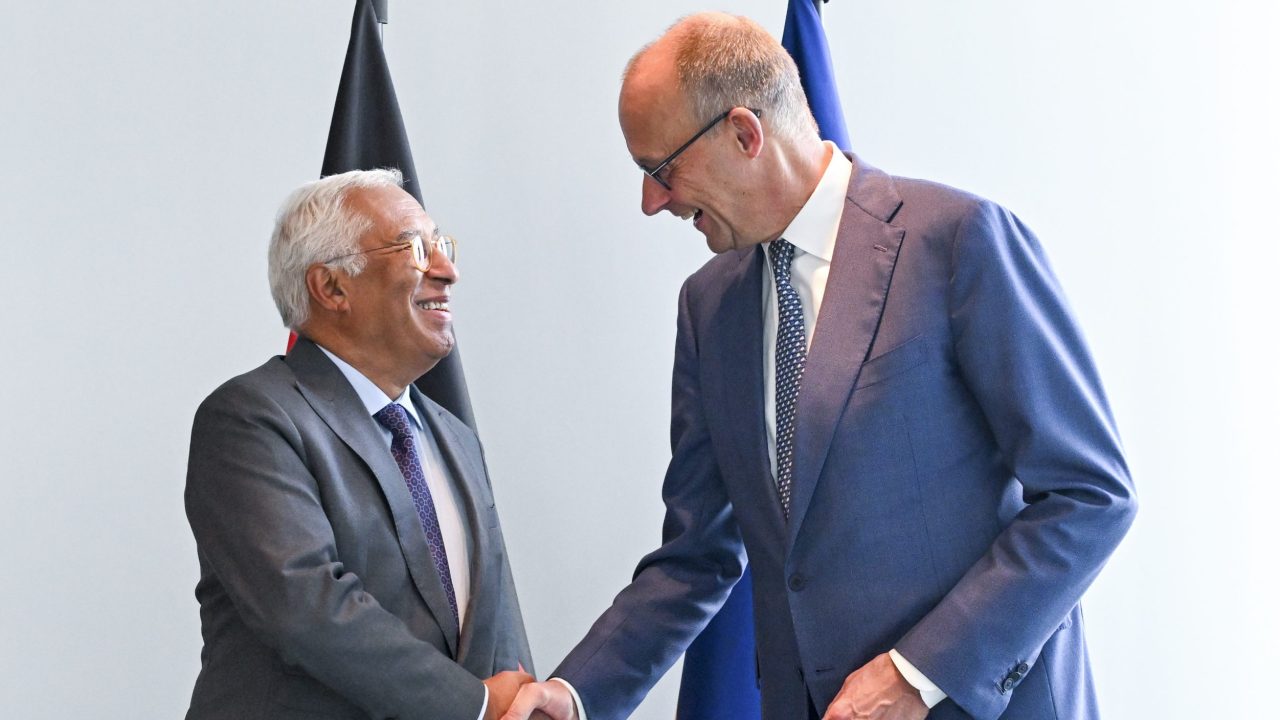
Caption: António Costa, President of the European Council and Friedrich Merz, Federal Chancellor, Germany, on ( September 2026 in Berlin [Council newsroom]
Updated: September 23, 2026 - 05:14