 Edit
Hungarian opposition leader accuses Russia of political interference
Russia's Foreign Intelligence Service described Magyar as being loyal to "globalist elites"
Opposition leader Péter Magyar accused Russia on Thursday (14 August) of interfering in Hungarian politics after Russia’s Foreign Intelligence Service (SVR) issued a statement alleging that the European Commission was considering “regime change in Budapest”.
In power since 2010, Hungarian Prime Minister Viktor Orbán has been criticised by some fellow EU leaders for his government’s warm ties with Moscow and opposition to military aid for Ukraine against Russia’s invasion, while his cabinet is struggling to revive the economy from an inflationary shock.
Some political analysts say that with Orbán’s right-wing Fidesz trailing Magyar’s centre-right Tisza Party in polls, the veteran nationalist faces what could be the toughest challenge to his long rule at a parliamentary election due next spring.
The SVR statement, published on Wednesday, said that based on information it had received, the European Commission viewed the current leadership of Hungary as an increasingly serious obstacle to a “united Europe”.
Last October Orbán, who has strongly opposed EU efforts to ban Russian energy imports, also alleged that the EU executive was trying to overthrow his government and impose a “puppet” administration on Budapest.
“Brussels is furious about Budapest’s attempts to pursue an independent policy and influence collective decision-making, especially regarding Russia and Ukraine,” the SVR said, describing Magyar as being loyal to “globalist elites”.
Magyar said Russia was trying to intervene directly to sway voters in Hungary, which is also a member of the NATO military alliance but under Orbán has refused to send weapons to neighbouring Ukraine.
“Yesterday an operation was officially launched against Hungary. A foreign, non-allied country is actively intervening in the domestic matters of our country,” Magyar said on Facebook.
Foreign Minister Peter Szijjarto said the SVR statement contained “nothing new,” repeating eurosceptic Orbán’s previous allegations of EU leaders plotting to oust him.
Orbán, who has maintained close ties with Russian President Vladimir Putin even after Russia’s 2022 invasion of Ukraine, became the only EU leader on Monday not to endorse a joint statement saying Ukraine should have the freedom to decide its future. Ahead of the summit in Alaska between U.S. President Donald Trump and Putin on Friday, Orbán said Russia had won the war in Ukraine.
In a post on X, Orban wrote on Thursday that Commission President Ursula von der Leyen was behaving like “the boss of Hungary”, whereas in his words she should be the servant of the member states.
“We take no orders from unelected bureaucrats and answer only to our people”, he stated.
The EU was built to serve sovereign nations, not to rule them. Brussels holds no leash on Hungary. We take no orders from unelected bureaucrats and answer only to our people. It's time to set the record straight. 🇭🇺 pic.twitter.com/glNxi30Wvz
— Orbán Viktor (@PM_ViktorOrban) August 14, 2025
Magyar’s political agenda
Magyar’s political agenda combines conservative values with a push for democratic restoration, transparency, and pro-European alignment, distinguishing him from both Orbán’s Fidesz party and traditional liberal-left opposition. Magyar emphasizes systemic corruption as a central issue under Orbán’s rule, accusing the Fidesz government of cronyism and enriching a loyal elite. He has pledged to investigate and prosecute corruption, including joining the European Public Prosecutor’s Office to enhance judicial cooperation in tackling abuse of office and theft of public funds.
He takes a distinctly anti-Russia stance, contrasting sharply with Orbán’s pro-Russia leanings. His position on Russia is rooted in aligning Hungary with Western democratic values and supporting European security interests, particularly in the context of Russia’s invasion of Ukraine.
The Tisza leader has repeatedly criticized Orbán’s close relationship with Russia, particularly Hungary’s reliance on Russian energy and Orbán’s reluctance to fully support EU sanctions against Moscow. He views Orbán’s “peace missions” to Russia and China as undermining Hungary’s credibility within the EU and NATO.
In a May 2025 interview, Magyar called Orbán’s foreign policy a betrayal of Hungarian interests, accusing him of prioritising Russian ties over national sovereignty and Western alliances.
With Reuters, edited by g.g.
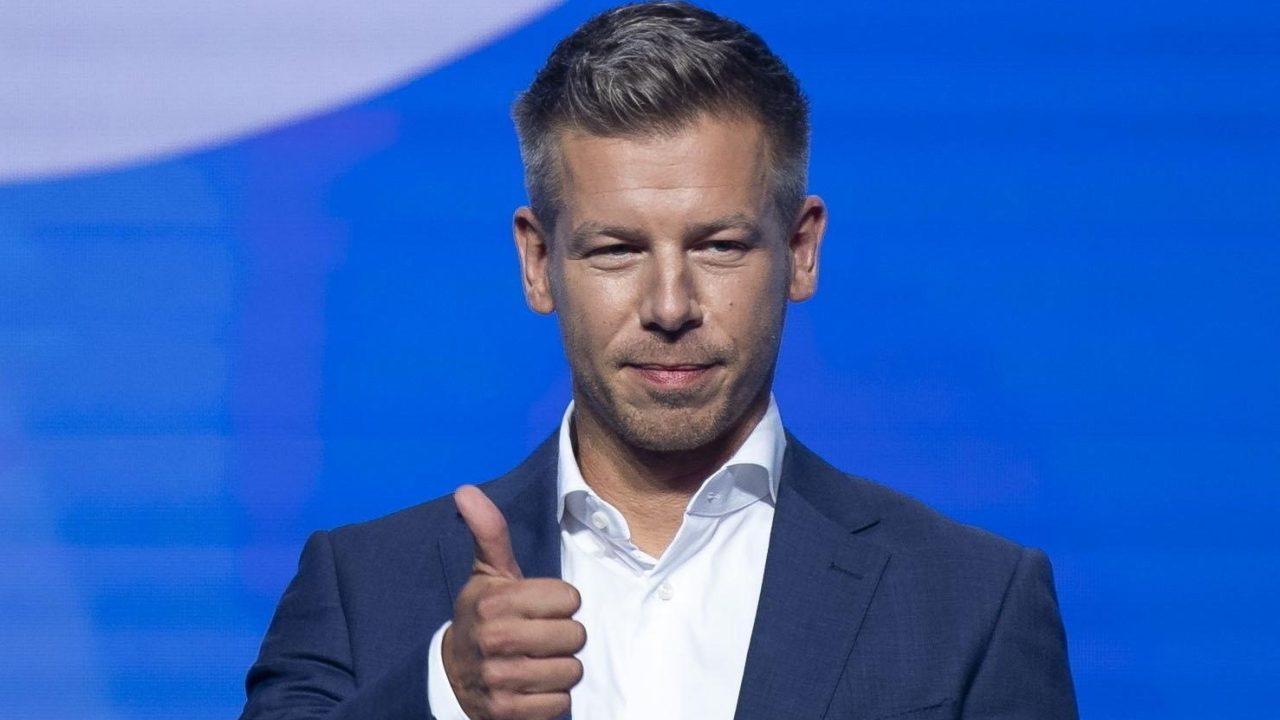
Caption: Leader of the Hungarian opposition Tisza Party Peter Magyar delivers his speech during the party congress in Kanizsa Arena in Nagykanizsa, Hungary, 12 July 2025. EPA/Boglarka Bodnar
Updated: August 15, 2025 - 06:20






