 Edit
Hungary blocks clusters 2 and 3 for Ukraine but agrees to cluster 3 for Moldova
The situation remains fluid, with the next key technical discussion set for 22 July before the summer pause
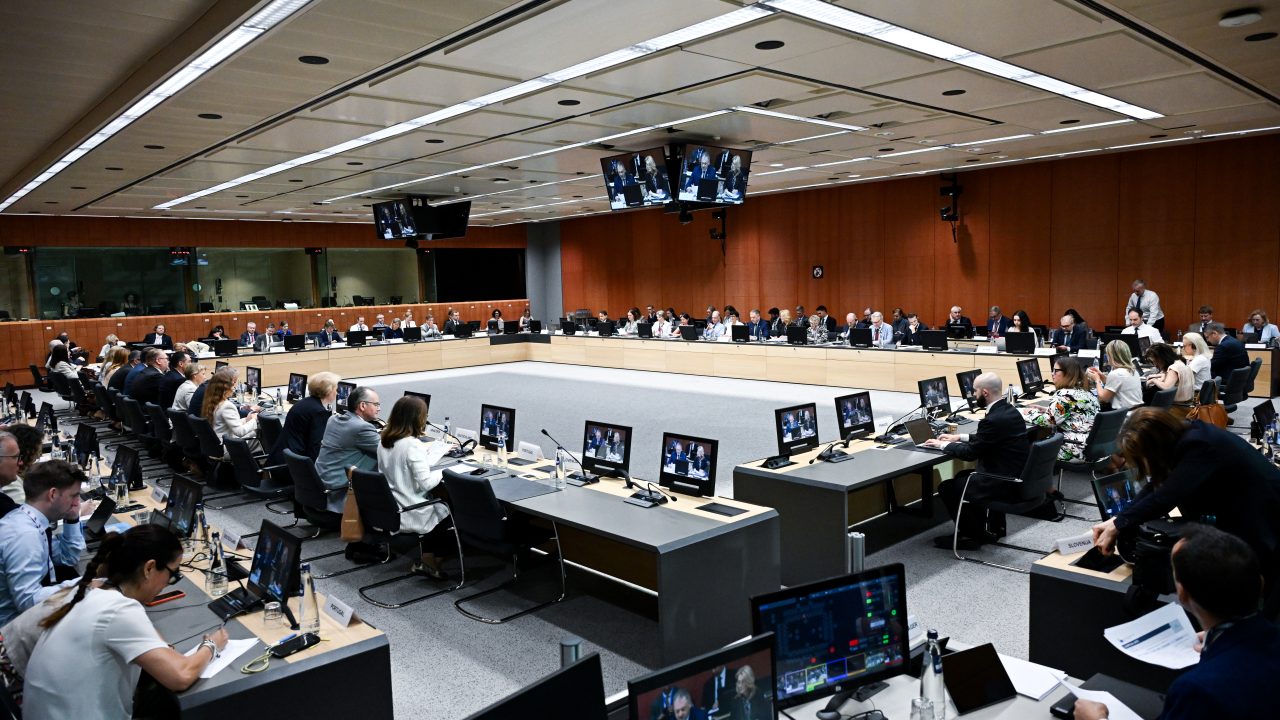
During a meeting of the EU Council’s Working Party on Enlargement (COELA) on Friday, Hungary refused to greenlight the opening of negotiation clusters No. 2 and No. 3 for Ukraine. It did, however, agree to proceed with cluster No. 3 for Moldova. This differentiated approach failed to win support from most EU member states, so no decision was taken.
According to sources in Brussels cited by EUalive’s partner European Pravda, the COELA meeting reviewed the screening results for clusters 2 and 3 for both Ukraine and Moldova. The goal was to approve those results and send official letters to both countries requesting their negotiating positions on the clusters.
Hungary gave the green light only for sending the letter to Moldova regarding cluster No. 3. It did not support doing the same for Ukraine.
Several other EU member states opposed treating Ukraine and Moldova differently in the accession process and rejected the proposal. As a result, due to the lack of consensus, the issue was postponed to the next COELA meeting on Wednesday 22 July – the last session before the EU’s summer break. The next meeting after the recess is scheduled for 1 September.
Background
On 14 July, the EU formally opened the sixth negotiation cluster (“External Relations”) for Ukraine. Ukrainian Deputy Prime Minister for European Integration Taras Kachka stated at the time that the opening of the remaining four clusters would not be delayed until after the summer.
Hungary had previously blocked the opening of clusters 2 through 6 for Ukraine at the technical level but quickly lifted its reservation on cluster 6.
In the EU accession process, the 33 negotiating chapters are grouped into six thematic clusters. Opening a cluster allows formal negotiations on the chapters it contains to begin. Cluster 1 (“Fundamentals”), which covers rule of law, fundamental rights, and related areas, was opened earlier for both Ukraine and Moldova.
While Viktor Orbán’s government had blocked Ukraine’s EU accession path altogether – an action widely viewed by other member states as a major irritant that slowed the entire enlargement process – the new Hungarian leadership has adopted a more selective approach, lifting some reservations (such as on cluster 6) while maintaining others on clusters 2 and 3.
The specific sensitivities in Hungarian-Ukrainian bilateral relations center on the rights of the ethnic Hungarian minority in Ukraine’s Transcarpathia region. A June 2026 bilateral agreement expanded their linguistic, educational, cultural, and political rights, and its incorporation into Ukraine’s EU accession commitments has become an important reference point for Budapest.
Hungary’s new government breaks with Orbán era after condemning Russian strike on Transcarpathia
The article in Ukrainian by EUalive’s partner European Pravda can be found here.
Caption: EU-Ukraine accession conference, 14 July 2026 [Council Newsroom]
Updated: July 17, 2026 - 21:00