 Edit
Dubious Serbian startup seeks control of sanctioned oil giant NIS
A surprise 2-billion-euro bid by a little-known local firm adds new twists to the high-stakes battle over Serbia’s only refinery amid U.S. sanctions
In a surprising development that could reshape Serbia’s energy landscape, a newly established Serbian company named “KFT Senator Treasury GT7 Two” has thrown down a major challenge in the contest for control of NIS, the country’s strategic oil refining and distribution powerhouse.
MOL, a Hungarian player with its own regional ambitions, had positioned itself as the frontrunner, yet the surprise bid introduces uncertainty and potential for prolonged negotiations or regulatory reviews.
KFT Senator Treasury GT7 Two LLC, owned by businessman Ranko Mimovic, has offered 2 billion euros for the combined 56.1 percent stake held by Russian entities Gazprom Neft and Gazprom. The bid significantly exceeds previous expectations and directly competes with an existing agreement between the Russian owners and the MOL group.
Mimovic told Reuters the offer had been “accepted in principle” by the Russian shareholders. The move comes as NIS continues to operate under U.S. sanctions imposed in October 2025, which targeted the company due to its Russian majority ownership linked to the war in Ukraine. The sanctions have complicated operations, restricted financing, and pressured the Russian owners to divest. Washington has actively encouraged the sale of the Gazprom-linked stakes to reduce Russian influence in the Western Balkans energy sector.
The bidder and his track record
The emergence of KFT Senator Treasury GT7 Two as a serious contender has raised eyebrows in Serbian business circles. The company was founded in the summer of 2025 through the division of an earlier entity and is registered in Subotica. It lists activities related to unspecified financial services.
According to corporate records reviewed by Forbes Serbia, Mimovic has been connected to at least nine Serbian companies over the years. Many of these, such as FIA Energy, FIA Oil, FIA Electricity, and FIA Aqua, focused on energy, fuel distribution, electricity trading, or water services but have since been deleted from the registry, often after short operational periods.
Several of Mimovic’s firms have faced administrative hurdles. One had its tax identification number temporarily revoked for failing to provide required documentation within deadlines, while another saw its bank account blocked for a modest sum of around 9,500 dinars. Short-term account freezes have occurred periodically. Earlier iterations of the Senator Treasury entities trace back to March 2023, initially involving a Hungarian citizen, Istvan Mata, as owner and director before control passed to Mimovic. The original company was later dissolved, leading to the creation of the current “One” and “Two” variants.
Despite these details, the current bidding vehicle, KFT Senator Treasury GT7 Two, is described as the most operational among the recent group. The company has taken formal steps toward the acquisition, filing an application with the U.S. Treasury’s Office of Foreign Assets Control (OFAC) on 30 October, 2025, to obtain the necessary license. It notified Gazprom Neft of its intentions on 4 November. As of the latest updates, the OFAC request remains under review. Mimovic also reportedly informed the office of Serbian President Aleksandar Vučić about the plans in April.
Geopolitical stakes and the MOL agreement
The bid directly complicates plans by MOL, which signed a binding heads of agreement in January to acquire the Russian stake. Gazprom Neft had publicly stated it was preparing the sale exclusively to MOL, with corporate and regulatory procedures underway. OFAC had set a 22 May deadline for the Russian companies to complete the transaction.
Serbian officials, including Energy Minister Dubravka Djedović Handanović, indicated in early May that talks were expected to finalize around mid-May, allowing information sharing with U.S. authorities for approval. A fresh U.S. sanctions waiver currently permits NIS to operate through mid-June.
MOL’s deal valued the 56.1 percent stake (44.9 percent from Gazprom Neft and 11.3 percent from Gazprom) at roughly 900 million to 1 billion euros according to statements by President Vučić in January. The new Serbian offer of 2 billion euros represents a substantial premium, potentially altering the dynamics if approved. Serbia itself holds a 29.9 percent stake in NIS and has expressed interest in increasing its ownership by an additional 5 percent, aiming to bolster state influence over the strategically vital Pančevo refinery, which has a capacity of 4.8 million tons per year.
The refinery and NIS’s broader operations, including retail networks in Serbia, Bosnia and Herzegovina, Bulgaria, and Romania, plus over 13,500 employees, are critical for regional fuel supply stability. Serbian officials have emphasized the need for commitments to maintain processing levels, especially given global oil market volatility and the vulnerabilities faced by countries lacking domestic refining capacity. In the first quarter of 2026, NIS reported a net profit of 2.8 billion dinars, supported by favorable oil prices and inventory effects despite sanctions-related headwinds and declining sales revenues.
The situation underscores the complex interplay of energy security, sanctions enforcement, and regional politics. Russia’s exit from NIS appears inevitable due to U.S. pressure, but the buyer’s identity carries significant implications for Serbia’s energy independence, relations with the EU and Hungary, and ties with both Washington and Moscow.
Sources: Reuters, Forbes Serbia, BGNES, Vreme, B92
Hungary’s MOL secures majority stake in Serbia’s NIS for up to 1bn amid Russian divestment pressure
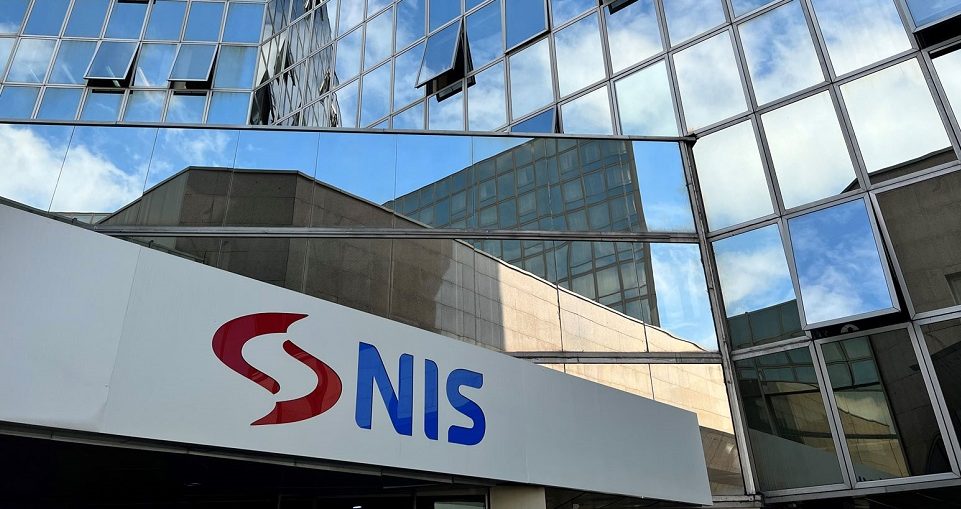
Caption: Corporate image, NIS website.
Updated: May 7, 2026 - 10:32