 Edit
Serbia’s ruling party claims victory in all 10 municipalities amid reports of violence and electoral fraud
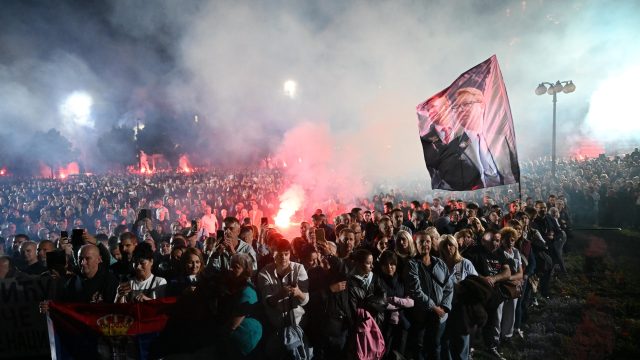
These were the first significant local elections in Serbia in 2026, seen as an important test of strength ahead of future national votes
Serbian President Aleksandar Vučić declared victory for the ruling Serbian Progressive Party (SNS) in all ten municipalities where local elections were held on Sunday, but independent observers reported numerous incidents of violence, intimidation, organized voter transport, and breaches of ballot secrecy.
According to preliminary results announced by Vučić at SNS headquarters, the coalition led by his party secured a clean 10:0 sweep. The elections took place in Aranđelovac, Bajina Bašta, Bor, Kladovo, Knjaževac, Kula, Lučani, Majdanpek, Sevojno, and Smederevska Palanka. Vučić described the results as a strong endorsement for SNS while accusing some opposition elements of inciting violence, including drawing guns and storming call centres.
Independent election monitoring organisations painted a far more troubling picture of the voting day.CRTA documented numerous serious irregularities across multiple locations. These included:
- Organized transport of voters
- Severe breaches of ballot secrecy (with up to five people voting behind the same screen)
- Parallel voter lists
- Presence of unauthorized “third persons” at polling stations
- Physical clashes
In Bor, monitors reported physical attacks, including an assault on a CRTA student team. In Bajina Bašta, two students were beaten, several cars were damaged, and tires were slashed. In several municipalities, observers noted suspicious vehicles with out-of-town license plates and cases of voters being photographed while casting ballots.
In EU candidate Serbia, the ruling party beats up election observers outside a polling station in broad daylight.
Widespread incidents and irregularities reported as local elections are held in 10 municipalities in Serbia. pic.twitter.com/mgO8opfs48
— Admirim (@admirim) March 29, 2026
The BIRODI media monitoring organization highlighted sharp differences in coverage. Outlets such as N1, Nova, Danas, and Insajder maintained high standards of balanced and factual reporting. In contrast, pro-government tabloids Informer and Pink scored the lowest integrity ratings, relying heavily on political labeling, conflict narratives, and hate speech while largely ignoring opposition voices and observer reports.
Vučić acknowledged that the atmosphere was tense in some places, particularly in Kula and Bor, but framed the results as a rejection of “hatred” and “hysteria” from the opposition. Opposition parties and civic groups have not yet issued detailed reactions, but monitoring organizations say the scale of irregularities raises serious doubts about the integrity of the process in several municipalities.
These were the first significant local elections in Serbia in 2026, seen as an important test of strength ahead of future national votes.
Although President Aleksandar Vučić has repeatedly promised early parliamentary elections, it remains unclear when they will actually be held. Despite months of massive anti-government protests, the opposition continues to be deeply divided and lacks a strong, visible political figure capable of mounting a credible challenge to Vučić’s rule.
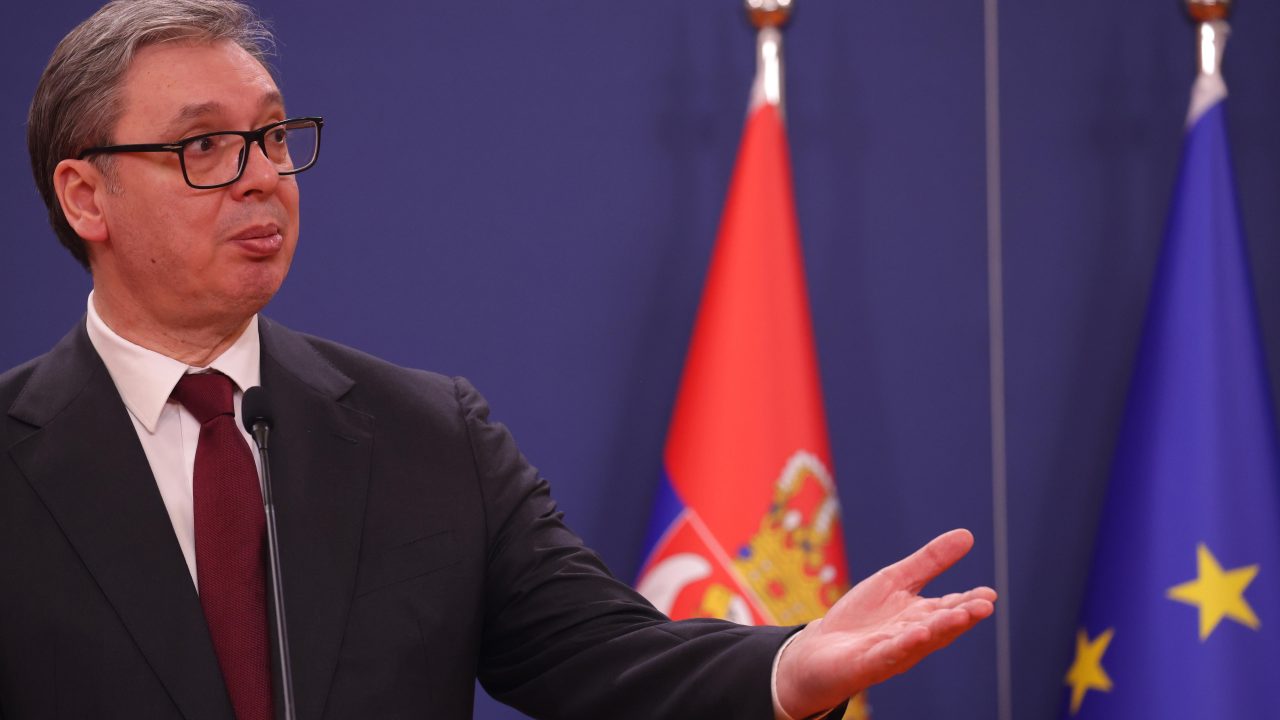
File photo: Serbian President Aleksandar Vucic talks during the press conference with the President of Azerbaijan (not pictured) following their meeting in Belgrade, Serbia, 15 February 2026. President of Azerbaijan Ilham Aliyev is on an official visit to Serbia. EPA/ANDREJ CUKIC
Updated: March 30, 2026 - 06:38