 Edit
EditTrump threatens to cut all trade with Spain during meeting with Germany’s Merz
The socialist PM Pedro Sánchez's has positioned himself as Europe's persistent 'pebble in Trump's shoe'
U.S. President Donald Trump on Tuesday escalated his rhetoric against Spain, threatening to impose a full trade embargo and “cut off all dealings” with the European NATO ally after Prime Minister Pedro Sánchez’s government refused to allow American military bases in Rota and Morón to support missions tied to the ongoing U.S.-Israeli strikes on Iran.
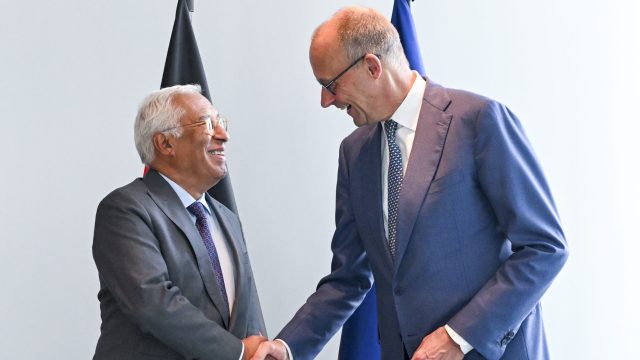
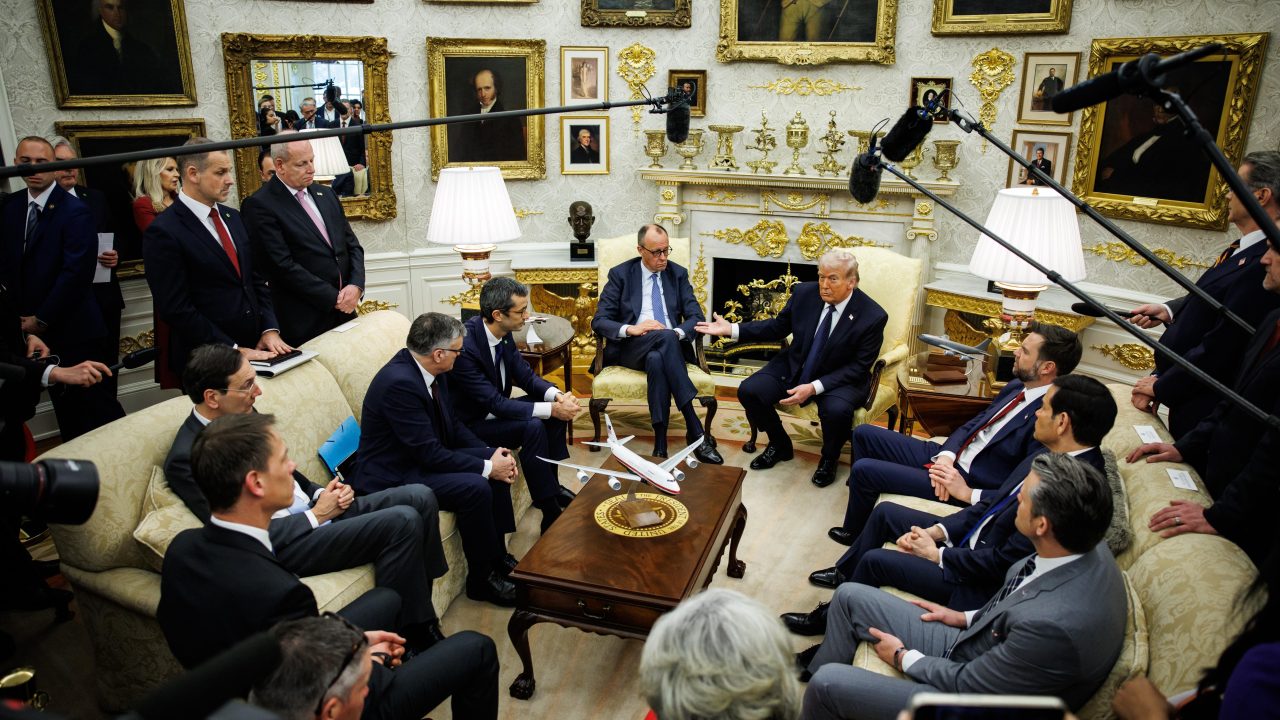
During an Oval Office meeting with German Chancellor Friedrich Merz, Trump bluntly declared Spain “terrible” and stated he had instructed Treasury Secretary Scott Bessent to sever ties, adding, “We’re going to cut off all trade with Spain. We don’t want anything to do with Spain.”
He emphasized that “Spain has absolutely nothing that we need” and asserted his authority to enact embargoes, citing a recent Supreme Court ruling on emergency powers under the International Emergency Economic Powers Act.
The threat stems directly from Madrid’s rejection of U.S. requests to use the bases for relocating 15 aircraft, including refuelling tankers, amid the widening Iran conflict. Sánchez’s Socialist administration has maintained that such use must align with international law, the U.N. Charter, and bilateral agreements, framing the decision as a defence of sovereignty rather than outright hostility.
This stance fits a broader pattern: Sánchez has consistently positioned himself as one of Europe’s most vocal critics of Trump-era policies, from condemning U.S. interventions in Venezuela and support for Israel in Gaza to resisting NATO defence spending hikes (Spain opts for capabilities over the 5% GDP target Trump demands) and pushing stricter controls on U.S. Big Tech.
Over the past year, Sánchez’s thinly veiled criticisms – often contrasting his progressive approach with Trump’s “America First” agenda – have played well domestically, bolstering his image as a defiant leader standing up to Washington. Advisers close to the Trump administration have long viewed him as a thorn in the side, or more aptly, a persistent “pebble in Trump’s shoe” – irritating, hard to ignore, and emblematic of lingering European resistance to U.S. demands on defence, trade, and foreign policy alignment. His refusal to allow weapons shipments to Israel or base access for Iran operations has tested transatlantic ties, yet Sánchez has reaped political gains at home by portraying these moves as principled stands against unilateralism.
Spain responded defiantly, with a government spokesperson stressing respect for private business autonomy, international law, and EU-U.S. trade pacts, while asserting Madrid has resources to mitigate any embargo’s impact. Chancellor Merz, mediating during the meeting, privately warned Trump that Spain cannot be singled out, insisting EU trade negotiations occur collectively: “We negotiate about tariffs with the United States only together or not at all.”
The spat highlights deepening fractures in the alliance amid the Iran war’s fallout, with Sánchez’s posture reinforcing his role as a European outlier challenging Trump’s transactional style.
Analysts warn that President Donald Trump’s escalating trade dispute with Spain – sparked by Madrid’s refusal to allow U.S. use of military bases for the Iran conflict – could delay or complicate regulatory approval for Spanish bank Santander’s $12.2 billion acquisition of U.S. regional lender Webster Financial, announced last month, with Wells Fargo’s Mike Mayo downgrading Webster shares to underweight and noting that tensions might extend approval timelines or, in a worst-case denial scenario, reduce the deal price by about 10% while attracting rival bidders.
With Reuters, edited by g.g.
Caption: US President Donald Trump (C-R) and German Chancellor Friedrich Merz (C-L) hold a bilateral meeting in the Oval Office at the White House in Washington, DC, USA, 03 March 2026. EPA/SAMUEL CORUM / POOL
Updated: March 4, 2026 - 09:59