 Edit
Ukraine assures U.S. Congress: anti-corruption bodies are functioning amid graft probe
The Ambassador’s remarks come as Ukraine navigates U.S. aid fatigue, with the scandal risking ammunition for sceptics in a divided Congress
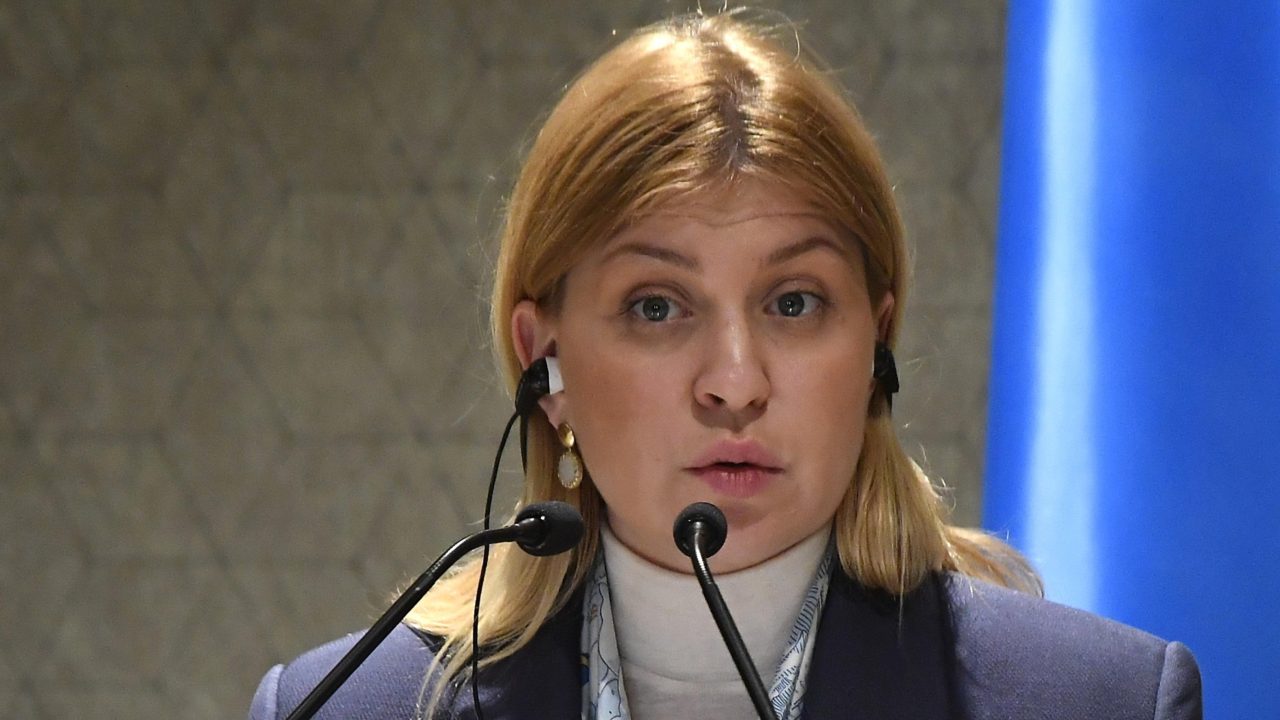
Ukraine’s ambassador to the United States, Olha Stefanishyna, has emphasized that the country’s anti-corruption institutions are operating robustly, even as a high-profile $100 million embezzlement scandal at state nuclear firm Energoatom draws scrutiny from American lawmakers wary of further aid.
In an interview with NBC News aired Wednesday, Stefanishyna addressed concerns that the probe – dubbed Operation Midas by the National Anti-Corruption Bureau (NABU) – could erode U.S. support, especially amid ongoing debates in Congress over wartime assistance. The scandal, exposed on 10 November, involves alleged kickbacks of 10-15% from Energoatom contractors, laundered through a shadow network tied to figures close to President Volodymyr Zelenskyy, including fugitive businessman Timur Mindich.
Host questions focused on the “scandal linked to Zelenskyy’s administration” and how Kyiv plans to reassure U.S. legislators. “We are in constant contact with a broad spectrum of members from both the House and Senate, providing them with the latest updates,” Stefanishyna replied.
She highlighted the swift response to the allegations, which implicate two Cabinet members but not the president directly.
“In under 24 hours, Zelenskyy called for their resignations – they’ve been removed from their posts, and parliament will vote on their dismissals next week. Sanctions have also been imposed on other suspects,” the ambassador said.
Stefanishyna framed the episode as proof of systemic progress: “It’s crucial that Ukraine’s institutional framework is effective and that no one enjoys impunity, no matter their connections. This is an uncomfortable moment, but it’s unprecedented in our history—it shows our anti-corruption mechanisms are truly delivering results.”
The rapid fallout unfolded as follows: On 12 November, Zelenskyy publicly demanded the resignations of Justice Minister Herman Galushchenko (codenamed “Professor” in NABU wiretaps) and Energy Minister Svitlana Hrynchuk, citing a “loss of trust” amid the probe’s revelations.
Galushchenko, who served as energy minister until July 2025 before switching portfolios, was suspended that morning following government searches at his office; Hrynchuk submitted her resignation letter that evening.
Neither is formally charged—Hrynchuk faces no direct accusations—but both deny wrongdoing.
The Verkhovna Rada is set to convene on 18 November to formalize their dismissals, a procedural step required under Ukrainian law.
Meanwhile, on 13 November, Zelenskyy signed a decree enforcing National Security and Defense Council (NSDC) sanctions against Mindich and associate Oleksandr Tsukerman, both Israeli citizens implicated in the laundering.
Presidential sanctions envoy Vladyslav Vlasyuk described the measures as “operational and preventive,” targeting national security threats. They include full asset freezes in Ukraine’s banking sector—preventing transfers or sales—but no entry bans, allowing potential returns for questioning.
NABU’s 15-month investigation, involving over 70 searches and 1,000 hours of wiretaps, has detained five suspects and identified two fugitives, including Mindich, who fled hours before raids on his Kyiv apartment.
Energoatom, which generates over half of Ukraine’s electricity amid Russian strikes, insists operations remain uninterrupted and vows full cooperation.
Stefanishyna’s remarks come as Ukraine navigates U.S. aid fatigue, with the scandal risking ammunition for sceptics in a divided Congress.
Stefanishyna has faced unrelated scrutiny in prior graft probes, which may fuel speculation but are distinct from Energoatom.
Poroshenko escalates attack: demands full government resignation to “save Ukraine”
The original article by Suspilne in Ukrainian can be found here.
Caption: Ukrainian Deputy Prime Minister for European and Euro-Atlantic Integration Olha Stefanishyna speaks during a press conference with the Hungarian state secretary of the Ministry of Foreign Affairs and Trade following their talks in Budapest, Hungary, 29 April 2025. EPA/LAJOS SOOS
Updated: November 14, 2025 - 06:54