 Edit
The skills gap in EU democracy: what Bulgaria’s protests revealed about digital civic action
Information literacy in 2026 signifies something different than five years ago: Erasmus-funded programs understand this evolution
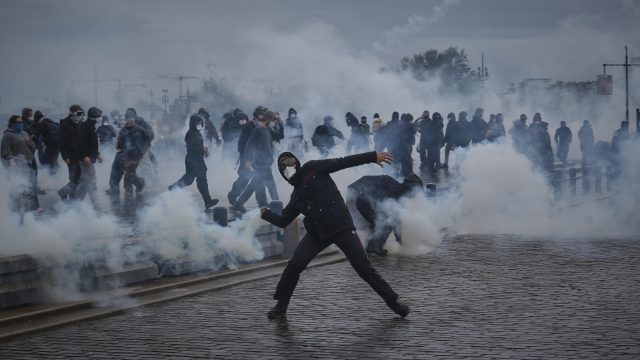
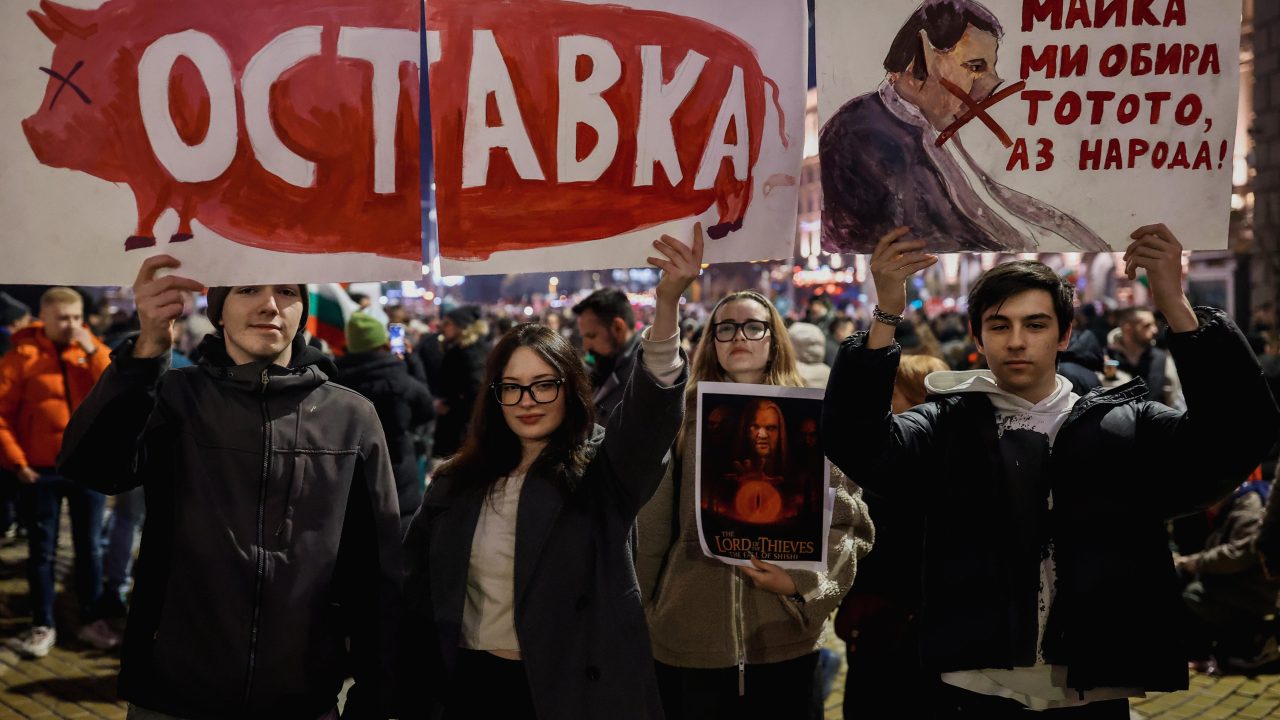
When over 100,000 Bulgarians, predominantly under 25, forced Prime Minister Rosen Zhelyazkov’s resignation in December, their success stemmed from something fundamental. Everyone already knew about the corruption; Bulgaria ranks second-to-last in the EU on Transparency International’s corruption index, and Delyan Peevski’s oligarchic control has constituted an open secret for years.
The genuine challenge lay in determining how to respond effectively within an information environment that renders sustained civic engagement nearly impossible.
Young Europeans find themselves drowning in information about democratic dysfunction while simultaneously lacking the frameworks necessary to translate that knowledge into effective political action. Understanding that your government operates corruptly differs fundamentally from understanding how to hold it accountable through digital organizing – these represent entirely distinct competencies.
The December protests succeeded because something shifted. Young Bulgarians moved beyond merely expressing outrage online, coordinating instead across platforms, maintaining narrative coherence despite government counter-messaging, using verification tools to document police behavior in real time, and sustaining pressure long enough to force governmental collapse. European policymakers should be asking what enabled that shift and how it can be replicated when the next crisis arrives.
Programs like Smart Scroll become critical precisely here, bridging the gap between knowing and doing. The Erasmus-funded initiative teaches Bulgarian teenagers far more than simple fact-checking, providing frameworks for understanding how information moves, how narratives get constructed, and how to coordinate collective action in fragmented digital spaces.
The challenge confronting young Europeans extends beyond ignorance about political problems to navigating the overwhelming complexity of engaging with those problems online. Corruption manifests across dozens of news sites, hundreds of social media threads, and thousands of individual posts. Information gets fragmented, decontextualized, and buried under algorithmic churn. Even when recognizing something as wrong, figuring out how to organize meaningful resistance requires skills that remain far from intuitive.
The Bulgarian protests revealed what happens when enough young people acquire those skills simultaneously. Rather than passively consuming information about corruption, they actively shaped information environments to maintain pressure on power. When government officials attempted to downplay crowd sizes, protesters responded with coordinated drone footage and geolocation verification. When traditional media outlets controlled by Peevski pushed counter-narratives, demonstrators created alternative information streams that proved more credible.
What unfolded in Bulgaria’s streets did not reflect spontaneous mobilization driven by raw emotion or lucky timing, but rather accumulated competencies in digital organizing, narrative coordination, and strategic information deployment that young people had developed over years of navigating complex online environments. The crucial insight reveals that while these capabilities remain learnable and teachable, European institutions have only recently begun to recognize their importance for democratic participation, with programs like Smart Scroll representing significant but still limited efforts in this direction.
Beyond verification techniques, Smart Scroll teaches students about information ecosystems, narrative construction, and collective sense-making. Coordinating action across fragmented platforms, maintaining message coherence when everyone serves simultaneously as broadcaster and audience – these questions diverge from traditional civics curricula, yet they constitute the actual challenges facing the next generation of European voters.
Other member states face similar conditions. High youth unemployment, entrenched corruption, and a growing disconnect between institutions and citizens define much of the European landscape. Young people across Europe recognize that their systems are failing them. What they often lack, however, are the frameworks for responding in ways that extend beyond posting their anger into the void.
The Bulgarian protests worked, but they required extraordinary circumstances: a catalyzing event, existing organizational infrastructure, and enough young people with sufficient digital organizing competencies to maintain momentum. Democratic accountability should not require mass mobilization under crisis conditions.
What democratic accountability should require, rather, is a generation equipped to engage meaningfully with political problems through the information environments they actually inhabit. This means expanding EU investment in programs that move beyond defensive media literacy toward active civic capability, teaching young people to verify information while also using it strategically and thoughtfully, enabling them to organize effectively.
Now comes the harder part: building the civic infrastructure to ensure the next generation need not take to the streets en masse merely to hold power accountable. This requires recognizing that information literacy in 2026 signifies something fundamentally different than it did even five years ago. Erasmus-funded programs like Smart Scroll understand this evolution. The question remains whether European institutions will scale these investments before the next crisis arrives.
The Balkan Free Media Initiative (BMFI) is an independent Brussels-based organization addressing the gap in advocacy and accountability on media freedom issues in Southeastern Europe.
Caption: Protesters hold a banner reading ‘Resignation’ during an anti-government rally in Sofia, Bulgaria, 10 December 2025. Demonstrations have erupted across the country demanding the resignation of the government amid a pending no-confidence vote and tensions over a 2026 budget proposal that triggered violent clashes on 1 December. EPA/BORISLAV TROSHEV
Updated: February 5, 2026 - 18:17