 Edit
Romania acquires 18 F-16 fighters from the Netherlands for 1 euro
Turkey engages in F-35 negotiations and prepares to host next NATO summit
The Netherlands will transfer 18 F-16 fighter jets to Romania by the end of the year for a symbolic price of just 1 euro. Simultaneously, Turkish President Recep Tayyip Erdoğan announced the initiation of technical negotiations regarding Turkey’s re-entry into the F-35 program, noting that the issue was addressed during his discussions with Donald Trump at the NATO summit in The Hague.
This announcements were made against the backdrop of the NATO summit, where alliance leaders reaffirmed their commitment to Article 5 and agreed to increase military spending, setting a new target of 5% of each member state’s GDP.
Romania’s strategic airlift with Dutch F-16s
In a notable move within NATO’s eastern flank, the Netherlands has agreed to transfer 18 F-16 fighter jets to Romania by the end of 2025 as a donation. The decision underscores Romania’s commitment to bolstering regional defense and pilot training capabilities.
Romanian Defense Minister Ionuț Moșteanu announced during a press conference in The Hague that these aircraft will be exclusively used for pilot training at Romania’s dedicated F-16 training and instruction center, which also serves NATO and allied air forces. The aircraft are expected to become official property of Romania by year’s end, pending the finalization of technical transfer details through ongoing discussions.
Moșteanu highlighted that bilateral talks with Dutch Defense Minister Ruben Brekelmans centered on the strategic importance of the Romanian F-16 training center — a facility that significantly enhances the air force training capacity of Romania and its NATO allies. “This procedure is essential and cannot be bypassed; technical discussions are now underway at the expert level to finalize the transfer,” he stated.
The donation aligns with NATO’s broader strategic goal of strengthening collective deterrence and operational readiness along its eastern borders. Since its establishment in 2023, the training center in Romania has expanded its role from Ukrainian pilot instruction to becoming a hub for pilots from Bulgaria, Slovakia, and Middle Eastern countries.
Romania currently operates two F-16 squadrons, based at Borcea and Câmpia Turzii, comprising 17 aircraft purchased from Portugal and 18 from Norway. The country is also expected to receive an additional 14 Norwegian F-16s by the end of 2025, bringing its total fleet to 67 aircraft.
Turkey’s F-35 ambitions and NATO summit hosting
Meanwhile, Turkish President Recep Tayyip Erdoğan announced that Turkey has initiated technical negotiations with the United States regarding its re-entry into the F-35 program. The discussions took place during the NATO summit in The Hague, where Erdoğan met with U.S. President Donald Trump.
Erdoğan emphasized that “productive discussions” occurred concerning the F-35s, noting that Turkey had paid approximately $1.3 to $1.4 billion toward the jets’ procurement. “Teams are actively working on maintenance, modernization, and procurement issues related to the F-35s,” Erdoğan added.
This development marks a potential shift in Turkey’s stance following its exclusion from the F-35 program in 2019, after purchasing Russian S-400 missile defense systems — a move that led to U.S. sanctions and the suspension of Turkey’s participation in the joint fighter jet project. Since then, Turkey has repeatedly demanded reinstatement or reimbursement for its investments.
Furthermore, Erdoğan indicated that Turkey remains committed to diplomatic efforts to resolve the Russia-Ukraine conflict, proposing Ankara as a venue for future peace talks. “We are ready to host a Putin-Zelenskyy summit in Istanbul or Ankara,” he said.
In addition, Erdoğan condemned the ongoing violence in Gaza, describing Israel’s actions as systematic oppression and “genocide,” and emphasized the importance of humanitarian aid.
Looking Ahead to the 2026 NATO summit in Turkey
Turkey is set to host the next NATO summit in 2026, an event that will symbolize Ankara’s strategic importance within the alliance. Erdoğan reiterated Turkey’s desire to enhance its defense capabilities, including developing a comprehensive missile defense system called “Steel Dome,” comprising systems like SİPER, KORKUT, HİSAR, and SUNGUR. He stressed Turkey’s need for self-reliance, noting past difficulties in foreign arms procurement.
On regional issues, Erdoğan voiced concern over the conflict in Gaza and called for a permanent ceasefire, condemning what he called systematic Israeli oppression and obstruction of humanitarian aid, including efforts by the Red Cross.
In bilateral meetings during the summit, Erdoğan discussed regional security, including tensions in Syria, Iran-Israel relations, and the future of NATO. He reaffirmed Turkey’s support for Syria’s territorial integrity and its efforts to incorporate armed groups into the Syrian National Army.
Finally, Erdoğan’s remarks reflect Turkey’s ambitions to play a more active, strategic role on the regional and global stage, with a focus on military modernization, diplomatic initiatives, and increased participation within NATO. The 2026 summit in Turkey promises to be a milestone in this evolving strategic posture.
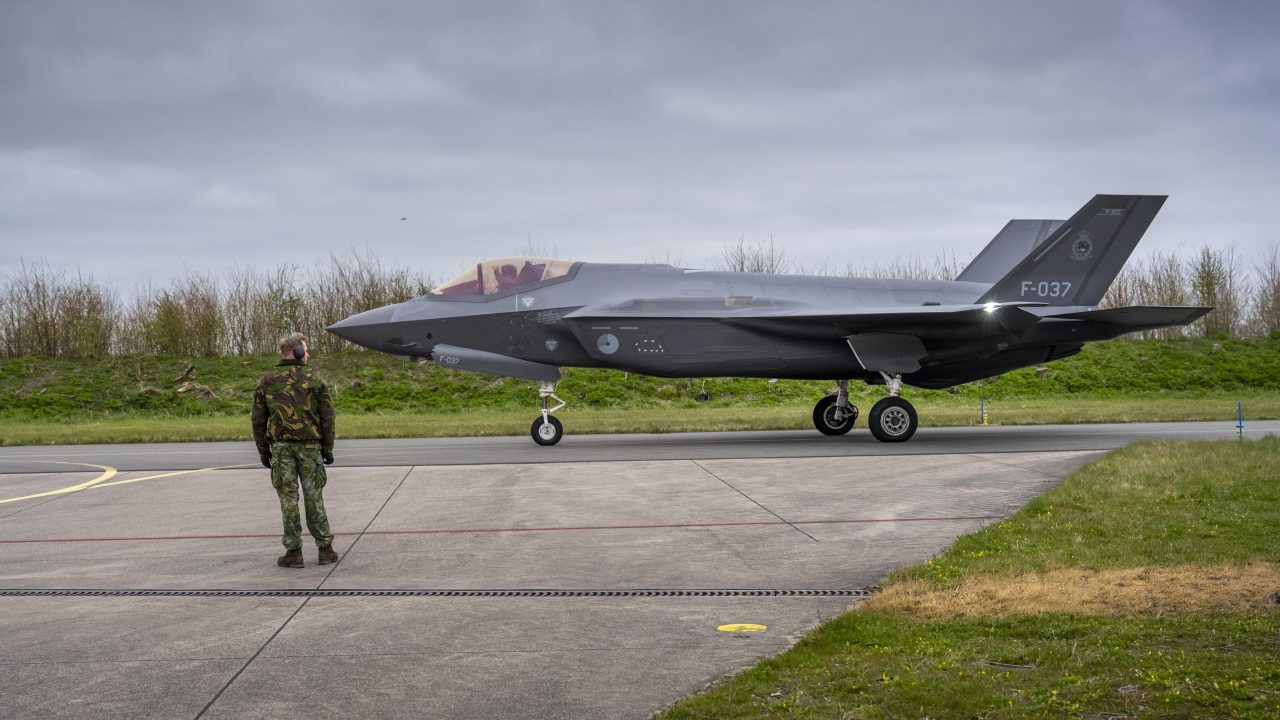
Caption: A Dutch F-35 during the NATO Ramstein Flag 2025 (RAFL25) exercise at Leeuwarden Air Base, the Netherlands, 9 April 2025. Hosted by the Royal Netherlands Air Force (RNLAF), the exercise takes place from 31 March to 11 April 2025. EPA/JILMER POSTMA
Updated: June 27, 2025 - 14:12