 Edit
Montenegro’s closed-loop system: Turning coal tax challenges into gains
The government's vision is the country to become a net exporter of electricity from renewables rather than fossil fuels
Montenegro has begun applying on 1 January a special tax on electricity exported from coal-fired production, in full alignment with the European Union’s Carbon border adjustment mechanism (CBAM).
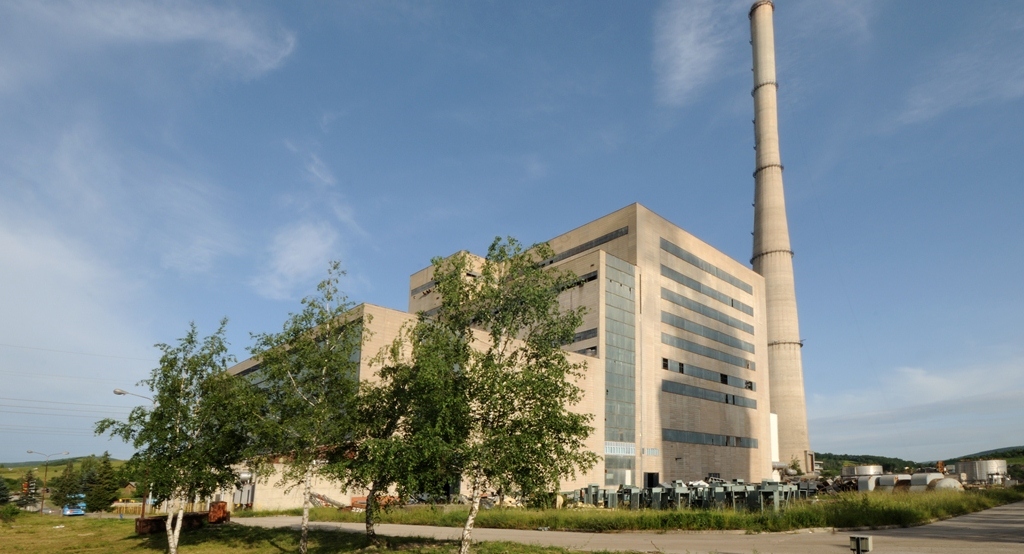
Despite attempts to secure an exemption or delay for the country, these efforts did not succeed. This new obligation presents a considerable challenge for Montenegro’s electricity sector, heavily reliant on coal from the Pljevlja thermal power plant operated by the state-owned Elektroprivreda Crne Gore (EPCG). Yet, Minister of ecology, Sustainable development, and Northern region development Damjan Ćulafić remains optimistic, describing it as a shared hurdle that the nation is actively overcoming through strategic planning.
The regulation, developed by the ministry, ensures harmony between Montenegro’s national emissions trading system (ETS) and the EU’s established ETS, while integrating CBAM rules. This alignment directly impacts EPCG, Montenegro’s primary energy producer. Rather than viewing the tax as a pure economic setback, Ćulafić emphasizes its potential to drive positive change. “With a strategically conceived sustainable development path, we can overcome this blow to the economy together,” he stated.
At the core of this approach is a clever reinvestment mechanism. Funds collected from EPCG by the Environmental protection agency’s Eco fund will be channeled back into the energy system through targeted green initiatives. Working closely with the Ministry of energy and spatial planning (MERS), EPCG, and the Eco fund, these revenues will support new programs outlined in a clear development plan for the electricity sector.
This model transforms what could have been a significant financial loss into a powerful internal stimulus. The harmonization of ETS pricing and the CBAM tax on coal-based exports will generate tens of millions of euros annually. Without this system, those funds would either exit the country through EU fees or erode EPCG’s competitiveness on regional markets. Instead, they remain domestic, financing investments in renewable technologies and accelerating Montenegro’s concrete green transition.
Simply put, the Eco Fund will receive these payments and, with MERS oversight, allocate them to sustainable projects. This creates a virtuous cycle: a closed-loop system that protects the environment, improves public health by reducing emissions, and bolsters the economy through job creation and innovation in clean energy.
Ćulafić underscores that this regulation marks a substantial step forward in meeting commitments under Chapter 27 of Montenegro’s EU accession process – environment and climate change, signaling a committed and forward-looking entry into 2026.
As of 2026, Montenegro’s domestic energy production centers primarily on electricity generation, featuring a mix that leans heavily toward renewables alongside coal. Hydropower remains the dominant source, typically contributing around one-third to two-thirds of total electricity depending on hydrological conditions, with major contributions from the Perućica and Piva hydropower plants. Coal, produced from lignite at the nation’s sole thermal facility in Pljevlja, accounts for approximately 20-40% of electricity output, though its role is diminishing amid ongoing ecological reconstruction and long-term phase-out plans. Wind energy has seen substantial growth through the established Krnovo and Možura farms, now providing roughly 7-9% of the national electricity share. Solar power, while still a smaller contributor at under 3%, is expanding rapidly with new installations and projects in development. Separately, biomass – mainly firewood, plays a key role in the broader primary energy supply, particularly for residential heating, representing a significant portion of overall consumption.
Montenegro is richly endowed with renewable potential, particularly in solar and wind resources, thanks to its abundant sunshine and coastal winds. However, realizing this promise is hampered by an outdated power grid, much of which dates back to the 1970s during the Yugoslav era. This aging infrastructure is not designed to accommodate the intermittent nature of renewable sources, leading to instability when large volumes of solar or wind power are injected.
The surge in new solar installations has already triggered notable fluctuations in cross-border electricity flows, putting strain on the regional network. Similar grid constraints plague neighboring countries, complicating synchronized renewable expansion across the Western Balkans. Without comprehensive modernization, Montenegro risks curtailing—essentially wasting – substantial amounts of clean generation, which would deter investors and slow progress toward carbon neutrality.
The government’s vision is clear: transform Montenegro into a net exporter of green electricity, enhancing energy security and generating export revenues from renewables rather than fossil fuels. Achieving this requires a holistic strategy that addresses not just generation capacity but the entire value chain, including transmission, distribution, and storage solutions.
Recognizing these bottlenecks, authorities are collaborating with international partners on critical upgrades. The national transmission operator, Crnogorski Elektroprenosni Sistem (CGES), is prioritizing projects such as the 400kV interconnection line between Cevo and Pljevlja, slated for completion by the end of 2025. This infrastructure will markedly improve grid resilience and capacity.
Support from the European Union includes substantial financial grants, while the European bank for reconstruction and development (EBRD) provides expertise and loans.
Nonetheless, stakeholders stress the need for acceleration. Delays stem not only from technical complexities but also from bureaucratic, permitting, and regulatory obstacles that frequently impede timely grid connections for new renewable projects—a recurring issue in the region’s broader shift toward sustainable energy.
Sources: Antenna – M, Press releases of the Ministry of Ecology of Montenegro, Balkan green energy news
Caption: TPP “Pljevlja” is the first Montenegrin condensation power plant designed with two blocks of 210 MW. /EPCG/
Updated: January 6, 2026 - 15:47





