 Edit
Deadlock in D.C.: Vance-led talks on Greenland acquisition yield no ground
U.S. pushes forward with controversial bid despite Danish rebuff, as analysts warn of escalating risks to NATO and transatlantic relations
In a high-stakes diplomatic encounter on Wednesday, Vice President JD Vance hosted a pivotal meeting in Washington with Secretary of State Marco Rubio and foreign ministers from Denmark and Greenland, aiming to advance the Trump administration’s ambitious plan to acquire the Arctic territory. The discussions, held amid mounting international tension, ended in impasse, underscoring the United States’ unyielding resolve to secure Greenland – no matter the diplomatic fallout.
Sources familiar with the talks described an atmosphere charged with frustration. Vance, acting as the administration’s point man on the issue, reiterated President Donald Trump’s stance that U.S. ownership of Greenland is essential for national security, emphasizing the island’s strategic position in the Arctic amid climate-driven changes and great-power competition.
“We need to protect our interests decisively,” Vance reportedly stated, echoing Trump’s public warnings that adversaries like Russia or China could exploit the territory if the U.S. does not act. Proposals floated included a multibillion-dollar purchase offer, potential autonomy arrangements modeled on U.S. compacts with Pacific islands, and even financial incentives for Greenlandic residents to support a shift in sovereignty.
Danish Foreign Minister Lars Løkke Rasmussen and Greenlandic Foreign Minister Vivian Motzfeldt, however, stood firm. Rasmussen labelled the American proposals “unacceptable encroachments on Danish sovereignty,” while Motzfeldt stressed Greenland’s right to self-determination, dismissing any notion of the island being “for sale.” The Greenlandic delegation highlighted ongoing internal debates about greater independence from Denmark but rejected U.S. intervention as “colonial overreach.”
While Trump has at times portrayed the island as besieged by Russian and Chinese ships, Rasmussen rejected that characterization on Wednesday, saying “it is not a true narrative that we have Chinese warships all around the place.”
Post-meeting statements from Copenhagen reinforced this, with Prime Minister Mette Frederiksen declaring, “Greenland is not a commodity – it’s a home to its people, and we will defend that unequivocally.”
The White House downplayed the deadlock, with Press Secretary Karoline Leavitt asserting that the talks were “productive” and part of an ongoing dialogue. “We’re exploring all options to ensure Greenland’s future aligns with American security needs,” she said.
Yet insiders revealed that the U.S. side refused to budge on core demands, including full territorial control, and hinted at readiness to escalate if negotiations stall further. Trump himself commented later that day, saying, “Denmark can’t handle Greenland properly – we can, and we will make it happen.”
This meeting revives and intensifies a saga that began with Trump’s 2019 overtures, now amplified in his second term. With U.S. military assets already present via the 1951 defence treaty – which grants broad rights to establish and expand bases with Danish and Greenlandic consent – the administration argues that full ownership is the only way to guarantee long-term, unrestricted access to critical resources like rare earth minerals, emerging Arctic shipping routes exposed by melting ice caps, and strategic positioning vital for the ambitious “Golden Dome” missile defence system that Trump has described as essential for shielding the U.S. from advanced threats.
Analytic considerations: weighing the geopolitical gamble
Beyond the immediate stalemate, analysts are scrutinizing the broader implications of the U.S. pursuit, viewing it as a litmus test for the “America First” doctrine in an era of strained alliances. Strategically, Greenland’s acquisition could fortify U.S. dominance in the Arctic, countering Russian military buildups and Chinese investments in the region. Think tanks like the Brookings Institution note that controlling the island would enhance missile defence capabilities at Thule Air Base and secure supply chains for critical minerals, potentially reducing dependence on adversarial suppliers.
However, the political price could be exorbitant. European allies, already wary of Trump’s NATO scepticism, see this as a direct threat to the alliance’s cohesion. A senior NATO official, speaking anonymously, warned that coercive tactics could prompt Denmark’s withdrawal or fracture the pact entirely, emboldening Moscow and Beijing. Domestically, polling shows tepid support: a Reuters/Ipsos survey released yesterday indicates only 22% of Americans back the initiative if it risks alliance ruptures, with opposition strongest among Democrats and independents.
Economically, the costs are staggering- estimates for a buyout range from $500 billion to over $1 trillion, funds that critics argue could better address domestic priorities like infrastructure or debt reduction. There’s also the risk of backlash in Greenland itself, where indigenous Inuit communities prioritize environmental protection and cultural autonomy over geopolitical maneuvers.
From a diplomatic lens, the Vance meeting highlights a shift toward unilateralism. By pressing ahead despite clear rebuffs, the U.S. risks isolating itself, potentially weakening its global leverage on issues like Ukraine or Taiwan. Ultimately, the administration’s determination signals a willingness to pay a high price for perceived gains.
With agencies, edited by g.g.
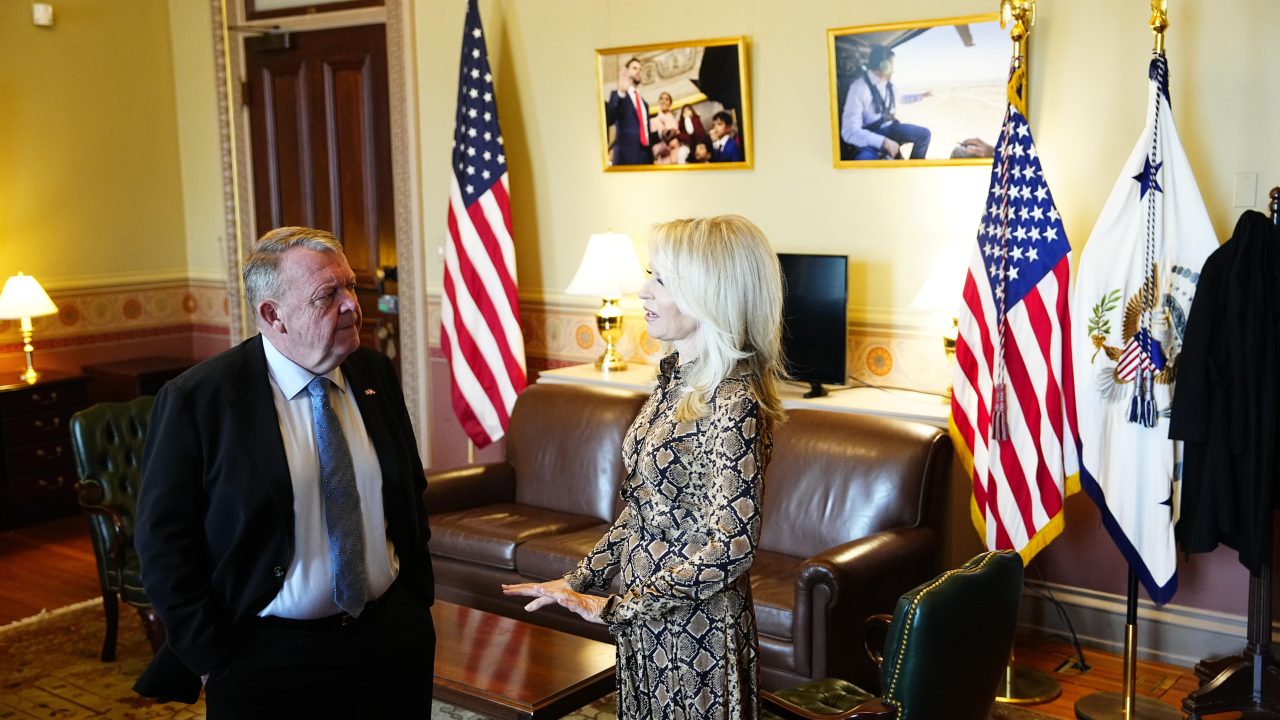
Caption: Denmark’s foreign minister, Lars Loekke Rasmussen (L), and Greenland’s minister for foreign affairs, Vivian Motzfeldt (not pictured), arrive to meet with US Vice President, J.D. Vance, and Secretary of State Marco Rubio at the White House in Washington DC, USA, 14 January 2026. EPA/Mads Claus Rasmussen
Updated: January 15, 2026 - 07:50