 Edit
Chevron and Quantum team up for Lukoil’s international assets
The bid for Lukoil’s $22bn foreign portfolio highlights Washington’s push to shift sanctioned Russian energy assets into American hands
Chevron and U.S. private equity firm Quantum Capital Group have teamed up in a bid to acquire the international assets of sanctioned Russian oil major Lukoil, according to the Financial Times, citing people familiar with the matter.
The bid, led by Quantum, targets Lukoil’s entire non-Russian portfolio, which the company has valued at around $22 billion. The assets include oil and gas production, refining facilities and more than 2,000 filling stations across Europe, Asia and the Middle East. If successful, Quantum and Chevron plan to divide the assets between them and operate them over the long term.
According to sources quoted by the Financial Times, the commitment to long-term ownership and operation is likely to have resonated with the administration of U.S. President Donald Trump. Quantum is pursuing the acquisition in collaboration with its London-based portfolio company Artemis Energy. The offer price has not been disclosed, and Quantum declined to comment.
A spokesperson for Chevron said the company maintains a diverse portfolio and continues to assess potential opportunities, adding that it does not comment on third-party statements or commercial matters.
The Quantum-Chevron bid is the latest to enter an increasingly competitive process for Lukoil’s international assets. Other interested parties include U.S. private equity firm Carlyle and Abu Dhabi-based conglomerate International Holding Company.
The auction process gained momentum in November, when Swiss commodities trader Gunvor withdrew from a deal to acquire the same assets after the U.S. Treasury signalled it would block the transaction. At the time, the Trump administration described Gunvor as a “Kremlin puppet” and said it would not grant the company a licence to operate the assets.
Quantum, founded by Texan oil tycoon Wil VanLoh, had already engaged with Trump administration officials ahead of submitting its bid. According to people familiar with the discussions, Quantum argued that its proposal would secure American ownership of strategically important energy assets.
A senior U.S. government official welcomed the joint Quantum-Chevron bid, telling the Financial Times that Washington was seeking a divestment that would place ownership of the assets “into the hands of an American owner and operator ad infinitum”.
“We do not want a buy-and-flip situation, so this is a compelling option,” the official said.
Chevron, which had previously considered a separate bid for part of Lukoil’s portfolio, could be particularly interested in the Russian company’s 5% stake in Kazakhstan’s Tengiz oilfield, an asset in which the U.S. major already has an ownership stake and operational role.
Chevron joins race to explore potential purchase of Lukoil assets
The U.S. Treasury has granted companies a temporary authorisation to negotiate with Lukoil until 17 January. Any final deal would require U.S. regulatory approval, effectively giving President Trump veto power over the transaction.
Reuters has separately reported last November that Carlyle is exploring options to acquire Lukoil’s foreign assets and is at an early stage of assessing a potential bid. According to sources cited by the news agency, Carlyle is considering applying for a U.S. licence before beginning due diligence and has made Lukoil aware of its interest. Carlyle declined to comment, while Lukoil did not respond to a request for comment then.
The U.S. Carlyle group exploring options to buy Lukoil foreign assets
Lukoil, which accounts for about 2% of global oil production, has said it is seeking buyers for its international assets, which produce roughly 0.5% of global oil output. The assets are estimated to be worth around $22 billion based on the company’s 2024 filings.
For decades, Lukoil has been Russia’s most internationally active oil major, with refineries in Europe, stakes in oilfields across Central Asia, the Middle East and Africa, and hundreds of retail fuel stations worldwide, including in the United States. Recent U.S. sanctions have disrupted parts of its operations in Iraq, Finland and Bulgaria.
As Washington tightens its sanctions regime while seeking to reshape ownership of strategic energy assets, the outcome of the Lukoil auction is emerging as a test case for how far U.S. policy can influence the global energy landscape.
Gunvor’s reset: management buy-out signals fresh start after Lukoil debacle
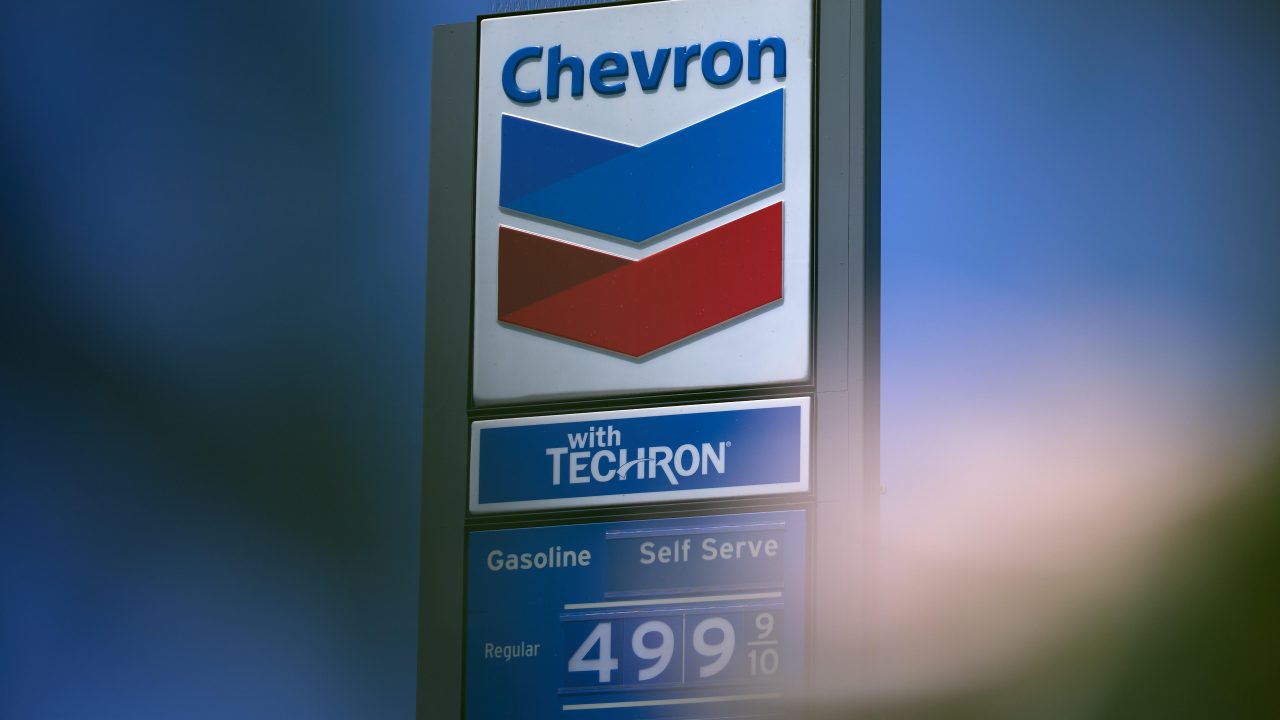
Caption: A sign is on display at a Chevron station in Los Angeles, California, USA, 28 July 2025. Chevron is expected to release the company’s second quarter 2025 earnings report on 1 August 2025. EPA/ALLISON DINNER
Updated: January 7, 2026 - 17:27