 Edit
Blood diamonds are back – and EU regrets a Dubai forum couldn’t agree to call them that
Because the Kimberley Process still works only by unanimity, Russia’s veto is enough to keep its stones officially “clean”
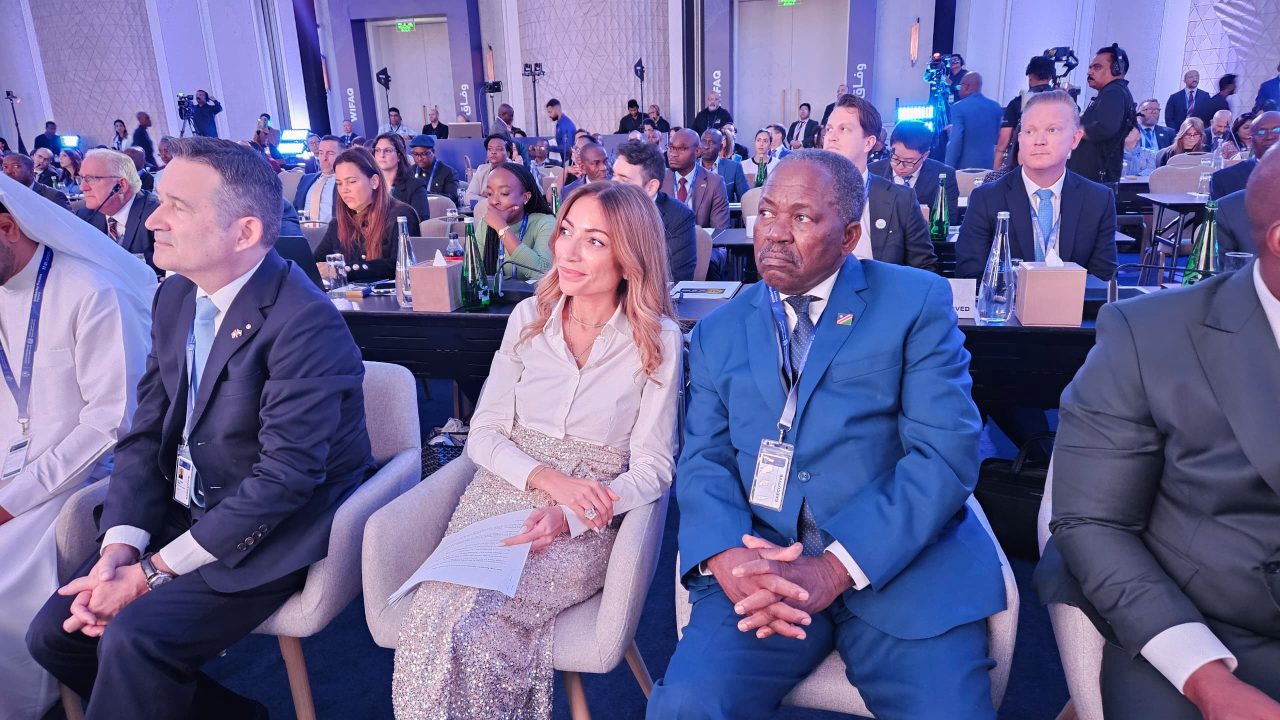
From 17–21 November 2025, diplomats, diamond traders and civil-society activists gathered in Dubai for the annual plenary of the Kimberley Process – the 22-year-old scheme created to stop “blood diamonds” from funding war. They left with almost nothing accomplished, and the European Union promptly declared the meeting a failure.
Everyone knows which blood diamonds are at the heart of the deadlock: Russian ones.
Russia’s state-owned Alrosa mines roughly one-third of the world’s rough diamonds. Since the full-scale invasion of Ukraine in 2022, those stones have generated an estimated €3–4 billion a year for the Kremlin war chest. Western governments and NGOs insist that diamonds whose proceeds pay for missiles raining on Kyiv are the textbook definition of conflict diamonds.
Moscow disagrees – and because the Kimberley Process still works only by unanimity, Russia’s veto is enough to keep its stones officially “clean”.
The original 2003 mandate was narrow on purpose: only rough diamonds used by rebel groups against recognised governments qualify as “conflict diamonds”. Diamonds sold by governments themselves, no matter how brutal the war they finance, do not count. That loophole, tolerable when the main threats were African warlords, has become indefensible when the aggressor is a permanent UN Security Council member.
In Dubai, the EU tabled the same reform it has pushed for three years running: widen the definition to cover state-sponsored aggression and systematic violence in mining zones. Russia, backed by Belarus, the Central African Republic and a few others, refused even to put the item on the formal agenda. The final communiqué contains no mention of Ukraine, no mention of Russian diamonds, and no meaningful reform.
On 25 November the EU issued a blistering statement:
“The EU deeply regrets that, once again, the Kimberley Process was unable to address diamonds that finance armed aggression… This repeated failure casts a serious shadow over the credibility of the entire scheme.”
Brussels is no longer waiting. Since the Kimberley Process is paralysed, the EU and G7 have simply gone around it. A total ban on direct Russian diamond imports began in March 2024; indirect imports (stones cut and polished in India or elsewhere) were banned from September 2024; and from January 2026 every diamond above 0.5 carat entering G7 markets will need blockchain-style proof it never came from Russia.
The Kimberley Process was born in 2003 to end the African blood-diamond wars of the 1990s. Ironically, it is now dying in the desert of Dubai because the world’s biggest war is being fought by a state that sits at the table – and refuses to let anyone call its diamonds bloody.
Caption: A snapshot from the conference, Ministry of Industries of Namibia on X.
Updated: November 26, 2025 - 10:39