 Edit
Escalating tensions: U.S. nuclear weapons reportedly return to UK
In response, the Kremlin warned of a “line towards escalation of tensions” and “nuclear militarisation”
In a development that has reignited Cold War-era anxieties, reports from British media outlets, including The Times and The Telegraph, suggest that the United States has stationed nuclear weapons on British soil for the first time since 2008.
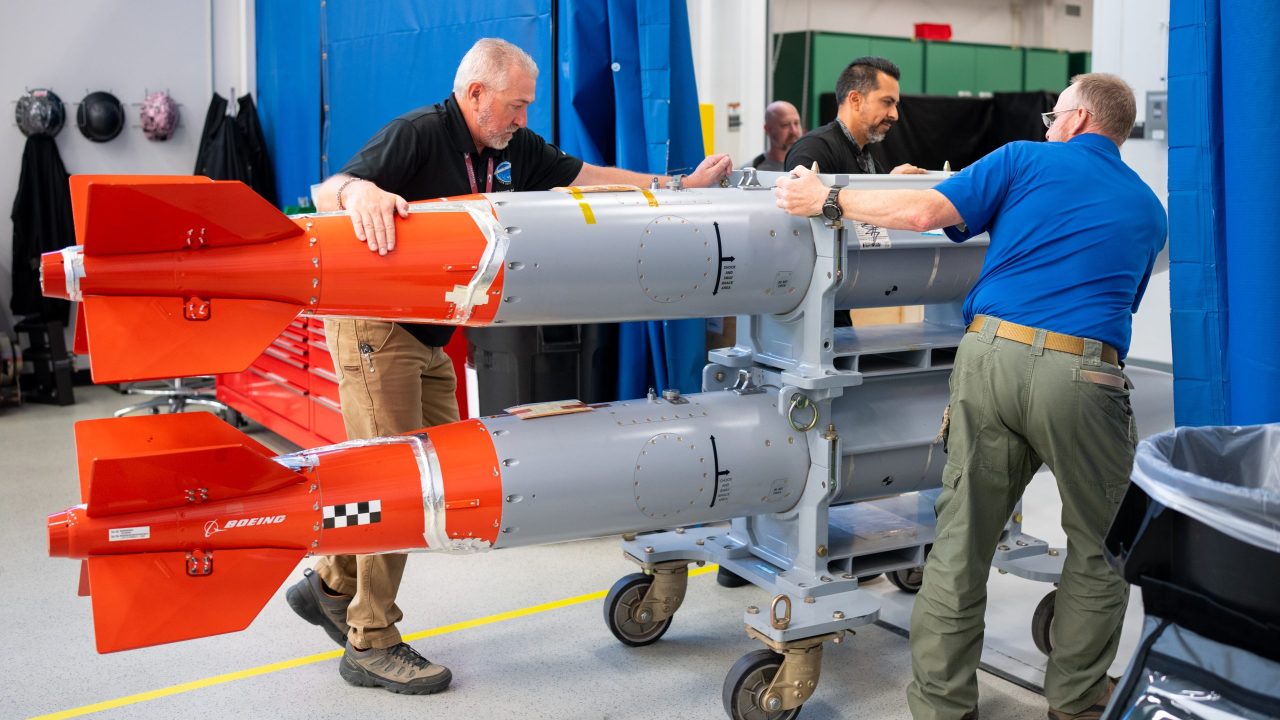
The reports, which remain unconfirmed by official U.S. or UK sources, claim that B61-12 nuclear bombs have been deployed to RAF Lakenheath in Suffolk, marking a significant shift in NATO’s military posture amid heightened tensions with Russia.
The Kremlin, in response, has declared it is closely monitoring these developments, with spokesman Dmitry Peskov warning of a “line towards escalation of tensions” and “nuclear militarisation.”
This comes as Russia itself says it has moved to deploy tactical nuclear weapons to Belarus, a move that some analysts believe was intended to provoke anti-nuclear protests in Europe, though such demonstrations have not materialised.
The United Kingdom maintains its own independent nuclear arsenal, primarily through its Trident missile system deployed on Vanguard-class submarines, ensuring a continuous at-sea deterrent.
The reported return of U.S. nuclear weapons to the UK, if true, would represent a significant policy shift under the administration of President Donald Trump. During his first term, Trump emphasised a robust defence posture, often framing NATO’s role as a counterweight to Russian aggression. The deployment of B61-12 bombs, which are three times more powerful than the Hiroshima bomb, could be interpreted as a signal to Moscow of NATO’s resolve, particularly in light of Russia’s ongoing war in Ukraine and its increasingly bellicose rhetoric.
However, the Pentagon has adhered to its longstanding policy of neither confirming nor denying the presence of nuclear weapons at specific locations, stating only that the U.S. “routinely upgrades its military facilities in Allied nations.” The UK Ministry of Defence echoed this stance, citing NATO’s policy of ambiguity regarding nuclear deployments.
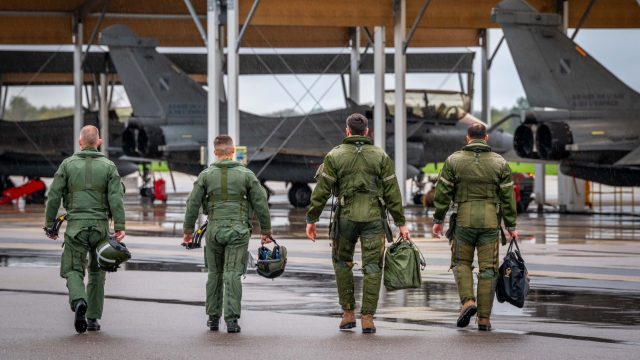
In June 2025, the UK announced the purchase of 12 F-35A fighter jets. This advanced aircraft is capable of carrying U.S. B61-12 nuclear bombs, marking a significant expansion of Britain’s nuclear deterrent and reintroducing a nuclear role for the Royal Air Force for the first time since the Cold War.
Russia’s response has been predictably sharp. Kremlin spokesman Peskov emphasized that Moscow’s “relevant departments” are formulating measures to ensure Russia’s security. This rhetoric aligns with Russia’s broader strategy of framing Western actions as provocations, particularly as it advances its own nuclear posturing. In March 2023, Russian President Vladimir Putin announced plans to station tactical nuclear weapons in Belarus, the first such deployment outside Russia since the Soviet Union’s collapse in 1991. Belarusian President Alexander Lukashenko, a close ally of Putin, confirmed in December 2023 that the weapons had begun arriving, with infrastructure like storage facilities and retrofitted aircraft already in place.
Analysts suggest Russia’s move was partly designed to stoke fears in Europe, potentially reviving the kind of anti-nuclear protests that swept the continent during the Cold War, when U.S. Pershing II missiles in Western Europe prompted mass demonstrations. However, no significant protests have emerged this time, possibly reflecting a changed public mood amid Russia’s aggression in Ukraine.
The spectre of nuclear escalation looms large
The implications of these developments are profound. For Trump, the reported deployment could underscore his administration’s commitment to NATO, despite past criticisms of the alliance’s cost-sharing arrangements. It may also reflect a strategy to deter Russia’s advances in Ukraine, where Kyiv has recently used U.S.-supplied ATACMS missiles to strike Russian territory, prompting Moscow to revise its nuclear doctrine to lower the threshold for a nuclear response.
On Russia’s side, the Belarus deployment signals a willingness to escalate tensions, potentially testing NATO’s cohesion. Yet, experts like Rose Gottemoeller, a former NATO deputy secretary-general, argue that moving nuclear weapons closer to NATO’s borders does not significantly alter the strategic threat, as Russia’s existing arsenal can already target any NATO member.
With Russia’s nuclear doctrine now explicitly citing conventional attacks on Belarus as a potential trigger for nuclear retaliation, and with NATO reinforcing its eastern flank, the risk of miscalculation remains a pressing concern in an increasingly volatile geopolitical landscape.
With agencies, edited by g.g.
Caption: Two B61-12 joint test assembly units are prepared for shipping at the Weapon Modernization Lab at Sandia National Laboratories. The last production unit of the nuclear gravity bomb was completed at the Pantex Plant in December. {Sandia National Laboratories]
Updated: July 23, 2025 - 06:30