 Edit
Trump imposes entry ban on 12 countries, citing terrorism and security risks
The effectiveness of such measure in countering terrorism remains uncertain
On Wednesday (4 June), U.S. President Donald Trump signed a proclamation barring nationals from 12 countries – Afghanistan, Myanmar, Chad, Congo, Equatorial Guinea, Eritrea, Haiti, Iran, Libya, Somalia, Sudan, and Yemen – from entering the United States, citing the need to protect against “foreign terrorists” and other security threats.
Partial restrictions were also imposed on travellers from seven additional countries: Burundi, Cuba, Laos, Sierra Leone, Togo, Turkmenistan, and Venezuela. The policy, effective 9 June 2025 at 12:01 a.m. EDT, does not revoke visas issued prior to that date, but Trump indicated the list could be expanded.
In a video posted on X, Trump declared, “We will not allow people to enter our country who wish to do us harm.” The proclamation aligns with his broader immigration crackdown, initiated at the start of his second term, and echoes a controversial travel ban from his first term targeting seven majority-Muslim nations, which was upheld by the Supreme Court in 2018 after multiple revisions. That policy was repealed by President Joe Biden in 2021, who called it “a stain on our national conscience.”
Rationale and implementation
Trump justified the new restrictions by pointing to the targeted countries’ alleged deficiencies in vetting and screening processes, including inadequate record-keeping of criminal histories, high rates of visa overstays, and failure to cooperate on visa security. He also claimed these nations harbor a “large-scale presence of terrorists” or lack the ability to verify travellers’ identities. The policy follows an executive order issued on 20 January 2025, mandating enhanced security vetting for foreigners entering the U.S. and directing cabinet members to identify countries with deficient vetting systems.
Trump cited a recent incident in Boulder, Colorado, where an Egyptian national, Mohamed Sabry Soliman, allegedly threw a gasoline bomb at pro-Israel demonstrators, as evidence of the need for stricter measures. Soliman, who had overstayed his tourist visa and held an expired work permit, is not from a country on the banned list, raising questions about the policy’s precision in addressing such threats.
International reactions
Responses from affected countries varied. Somalia’s ambassador to the U.S., Dahir Hassan Abdi, expressed willingness to collaborate with Washington to address security concerns, emphasizing the country’s “longstanding relationship” with the U.S. In contrast, Venezuela’s Interior Minister Diosdado Cabello labelled the U.S. government “fascist” and warned that Venezuelans face persecution in the U.S., calling it a “big risk” for anyone to be there. Myanmar’s military government and Laos’ foreign ministry did not immediately respond to requests for comment.
Effectiveness against terrorism: a mixed record
The effectiveness of travel bans in preventing terrorism is a subject of debate, with mixed evidence from past policies. Proponents argue that restricting entry from countries with weak vetting systems or known terrorist activity reduces risks to national security. Trump’s first-term ban, for instance, was credited by some analysts with prompting certain countries to improve their security protocols to be removed from the list. The Department of Homeland Security has previously stated that enhanced vetting can disrupt potential terrorist travel networks.
However, critics contend that such bans are often overly broad and fail to address the root causes of terrorism. The Boulder incident, involving an individual from Egypt – a country not included in the ban – highlights a key limitation: many terrorist acts in the U.S. are committed by individuals already in the country or from nations not targeted by such policies. A 2019 report by the Cato Institute found that between 1975 and 2017, no U.S. deaths from terrorism were caused by nationals from the countries included in Trump’s original travel ban, suggesting limited direct impact on preventing attacks.
Moreover, the bans can strain diplomatic relations and alienate allies, as seen in Somalia’s measured response and Venezuela’s sharp rebuke. They may also fuel anti-American sentiment, potentially increasing radicalization risks abroad. The inclusion of countries like Haiti and Equatorial Guinea, which are not widely associated with terrorism, raises questions about the criteria used and whether the policy is more symbolic than substantive. Critics also point out that domestic terrorism, often perpetrated by U.S. citizens, poses a greater threat, as evidenced by FBI data showing that homegrown extremists accounted for the majority of terrorist incidents in the U.S. between 2001 and 2020.
The travel ban is part of Trump’s aggressive immigration agenda, previewed in an October 2023 speech where he vowed to restrict entry from regions like the Gaza Strip, Libya, Somalia, Syria, and Yemen. The policy’s expansion to 19 countries, with the possibility of further additions, signals a return to hardline measures that could reshape U.S. immigration policy. However, its effectiveness in countering terrorism remains uncertain, as it may not address the complexities of modern terrorist threats, including lone-wolf attacks and domestic radicalisation.
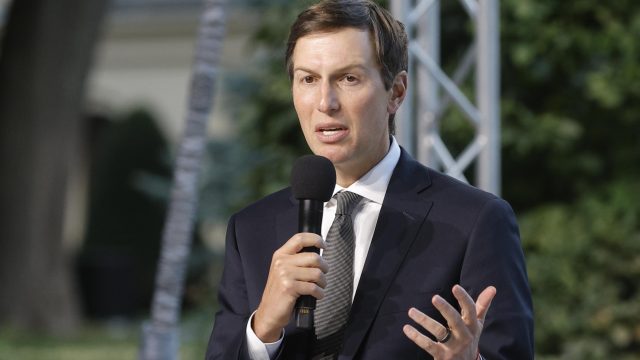
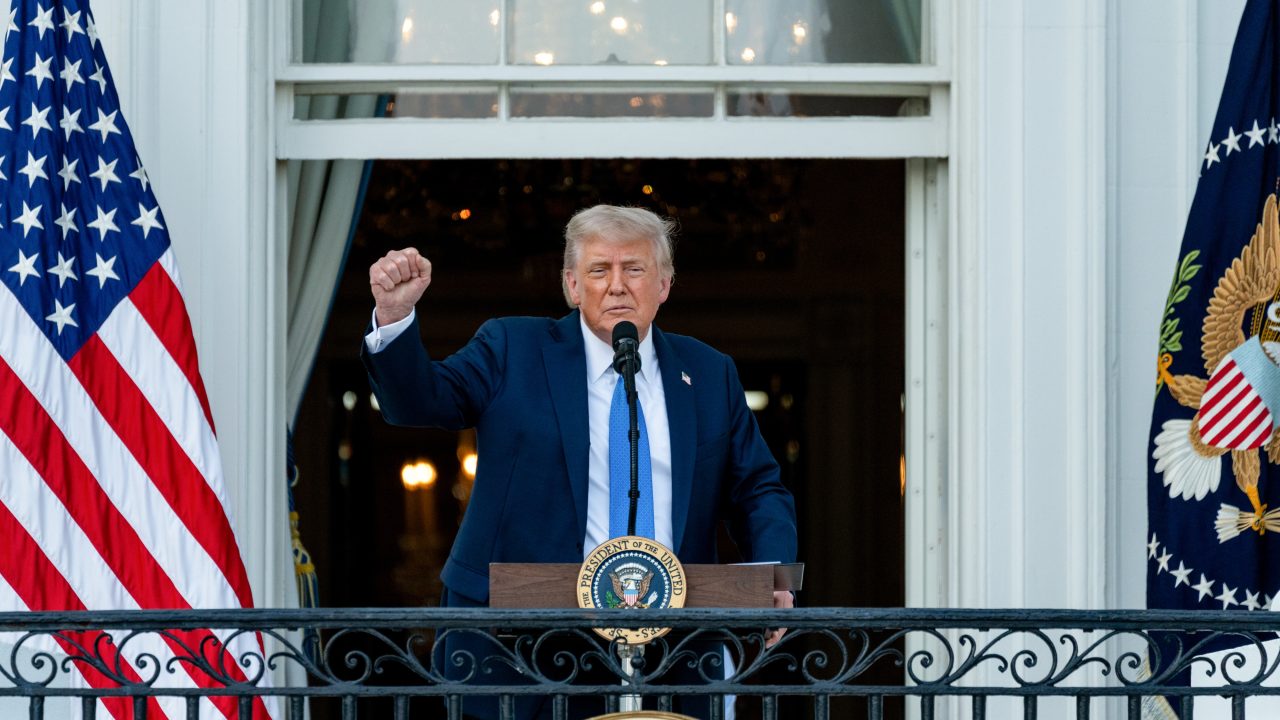
Caption: US President Donald Trump speaks during a Summer soiree on the South Lawn of the White House in Washington, DC, USA, on 04 June 2025. [EPA-EFE/Eric Lee / POOL]
Updated: June 5, 2025 - 05:06