 Edit
US senator pushes for “bone-breaking” Russia sanctions as Istanbul talks yield modest breakthrough
The legislation targets also third countries that continue to trade with Russia, imposing a 500% tariff on their imports
U.S. Senator Lindsey Graham has announced that the Senate is set to move forward with a sweeping sanctions bill against Russia, in a renewed transatlantic push to increase pressure on Moscow. The legislation, co-sponsored by Democrat Richard Blumenthal, targets not only Russian exports but also third countries that continue to trade with Russia – imposing a steep 500% tariff on imports from those buying Russian oil, gas, uranium, and other key goods.
Graham, speaking after meetings in Kyiv with President Volodymyr Zelenskyy and in Berlin with European Commission President Ursula von der Leyen, described the sanctions as “bone-breaking” and said the U.S. Congress was poised for rapid action. “The Kremlin understands nothing else but pressure,” von der Leyen echoed during their joint appearance, underlining the urgency for coordination.
She stated that “we need a real ceasefire, we need Russia at the negotiating table, and we need to end this war”. Pressure works, as the Kremlin understands nothing else. This is why the President welcomed that Senator Graham committed to ramping up pressure on Russia and moving ahead with the bill in Senate next week, the Commission announced.
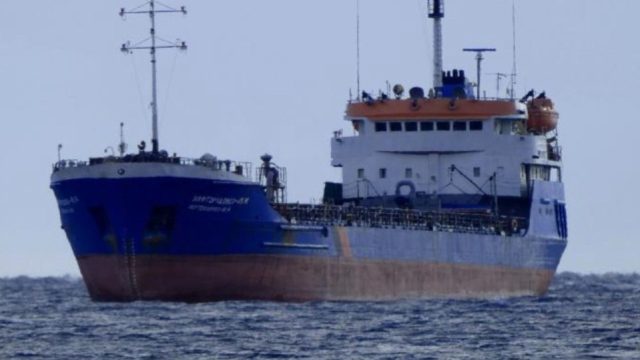
The EU, for its part, is finalising its 18th sanctions package, aimed at slashing Russian energy revenues, targeting the shadow fleet and Nord Stream infrastructure, and further tightening the crude oil price cap. The combined impact of U.S. and EU measures, officials say, is designed to deprive Moscow of the resources needed to sustain its war effort.
In Paris, Graham and Blumenthal also held talks with French ministers and President Emmanuel Macron’s security adviser. They later praised Macron’s backing for tougher sanctions, including the lowering of the oil price cap and the possible seizure of frozen Russian assets. The senators also underscored the importance of sending coordinated signals to China and India, whose continued purchases of Russian oil blunt the effectiveness of Western sanctions.
These moves come as Ukraine and Russia concluded a second round of direct peace negotiations in Istanbul on Monday. Ukrainian Defence Minister Rustem Umerov, who led Kyiv’s delegation, announced that the two sides had reached a limited agreement: to exchange all seriously ill prisoners of war under the age of 25. Other priorities – namely, a full ceasefire and the return of abducted Ukrainian children – remain unresolved.
“The first point is a ceasefire. The second point is the release of our people – prisoners and abducted children. The third point is a summit of leaders,” Umerov said at a press conference, adding that any substantive resolution would have to be reached at the highest political level. He confirmed that Ukraine handed Russia a list of children whose repatriation Kyiv demands.
The humanitarian agreement comes in the wake of Ukraine’s boldest drone offensive to date. Operation “Spiderweb” targeted strategic airfields deep in Russian territory, reportedly damaging or destroying over 40 military aircraft, including long-range bombers. Ukrainian officials said the operation had been in preparation for more than 18 months and was designed to increase the cost of war for Moscow.
While Ukraine and its allies continue to press diplomatically and militarily, scepticism remains high over Russia’s intentions. Zelenskyy stressed that any pathway to peace must include concrete steps, not just gestures: “We are doing everything to make Russia feel the necessity of ending this war.”
The first direct talks since 2022, held in May, had resulted in a large prisoner swap. This second round delivered a modest humanitarian breakthrough but reinforced the notion that further progress hinges on leader-level engagement and sustained international pressure.
With the G7 summit on the horizon and sanctions tightening, Western leaders hope to raise the stakes for Moscow and show that transatlantic alignment remains firm. Whether that will compel the Kremlin to shift course remains uncertain – but Kyiv and its partners are betting on resolve.
Sources: Reuters, BGNES, European Commission, Joint statement from U.S. Senators Graham and Blumenthal on visit to France. Edited by d.d.
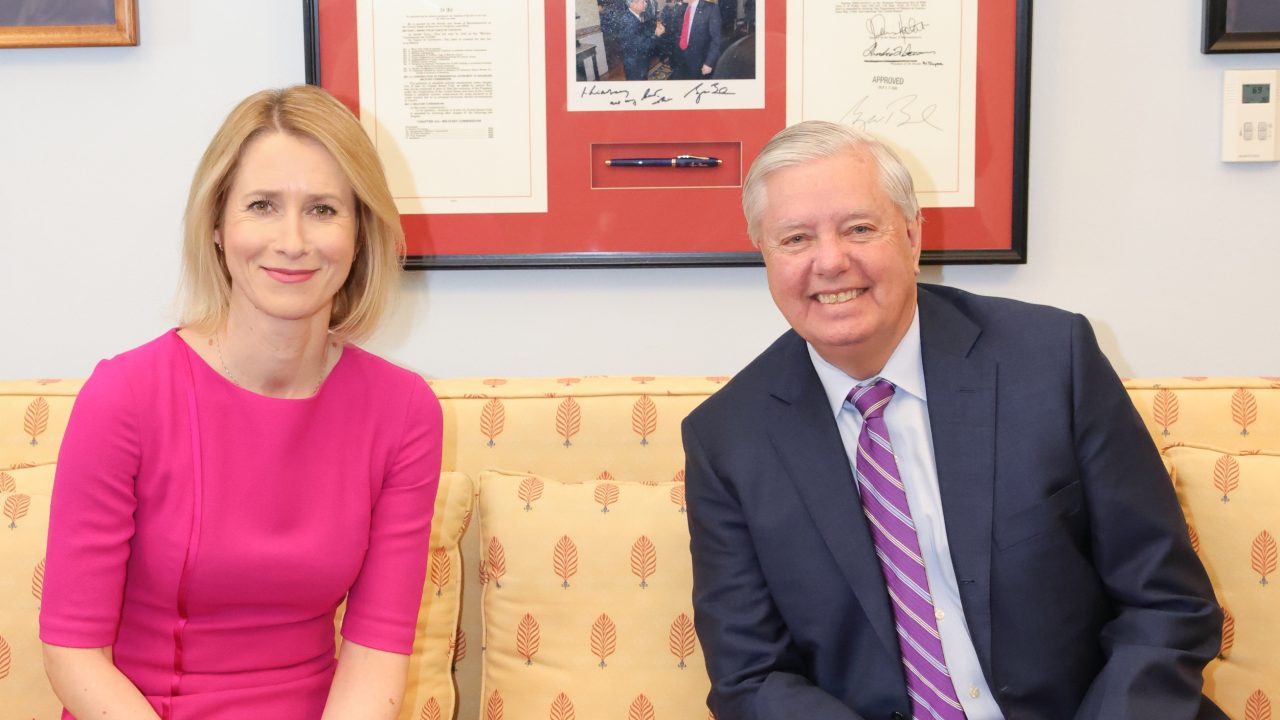
Caption: Kaja Kallas, on the left, and Lindsey Graham, US Senator for South Carolina, 26 February 2025, Washington D.C. [Europe by Satellite]
Updated: June 3, 2025 - 06:31