 Edit
Kyiv refutes claims of transatlantic rift on sanctions policy
Questions remain about the sustainability of the current sanctions architecture
Ukrainian officials have dismissed suggestions of a breakdown in cooperation between the United States and the European Union regarding sanctions policy towards Russia, insisting that transatlantic coordination remains intact despite shifting political dynamics, European Pravda reported.
Responding to recent media speculation, Vladislav Vlasyuk, the commissioner of the president of Ukraine for sanctions policy, firmly rejected reports of an alleged “collapse” in U.S.-EU cooperation over sanctions enforcement and evasion.
“There is no collapse,” Vlasyuk wrote in a Facebook post on Tuesday. “I’ve recently attended two joint working meetings in Europe with our American counterparts in just three weeks. Discussions focused on both the circumvention of sanctions and ways to strengthen them. The coordination is ongoing.”
The remarks come at a sensitive moment for the West’s sanctions regime, which has been a cornerstone of its response to Russia’s full-scale invasion of Ukraine since February 2022.
While both Washington and Brussels have imposed sweeping restrictions on Moscow, the durability and cohesion of this transatlantic sanctions coalition has periodically come under scrutiny, particularly in light of political changes on both sides of the Atlantic.
A core concern among analysts is the challenge of maintaining unified pressure as the war drags on and as domestic political debates, especially in the U.S., begin to reshape foreign policy priorities with major focus no longer being on Europe.
Yet Vlasyuk sought to allay such fears. He acknowledged that while the “pulse” of cooperation may not be as intense as during earlier phases of the conflict, this is more a reflection of the evolving political context than any fundamental rupture in the relationship.
“Is the cooperation less visible or dynamic than before? Perhaps. But this is not a collapse,” he said. “The exchange of information and strategic planning remains active.”
According to Vlasyuk, Ukraine continues to engage closely with all members of what he termed the “sanctions coalition,” including the United Kingdom and the EU institutions.
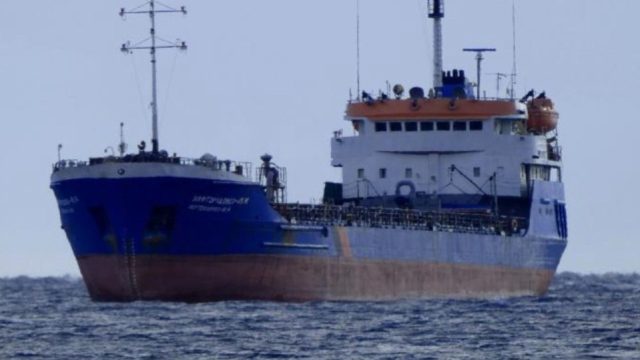
He noted that the UK is preparing a new set of measures, the EU is advancing its 18th sanctions package, and the U.S. is focused on targeting the so-called “shadow fleet” – a network of vessels used by Russia to circumvent restrictions on oil exports – and other evasion mechanisms.
He also highlighted the interdependence of decision-making among coalition partners: “Everyone is approximately aware of the others’ plans. This transparency is crucial for sustaining coordinated action.”
However, Vlasyuk did underscore certain practical challenges. Notably, he pointed to Hungary’s continued resistance within the EU Council as a factor complicating progress on new sanctions packages. In this regard, he hinted at the importance of sustained U.S. pressure to help unlock European consensus.
“The EU will struggle to adopt a new package without American support -particularly when it comes to persuading reluctant member states,” he said.
The renewed discussion around U.S.-EU coordination came after Trump posted a strongly-worded comment on his social network, Truth Social, in which he said Putin had gone “absolutely crazy” and warned that if he tried to seize all of Ukraine, it would lead to “the downfall of Russia”.
Shortly before, Trump told journalists that he is not happy with what Putin is doing and stressed that he did not understand the motives behind the Russian leader’s current decisions. Speaking from the White House on 25 May, Trump confirmed that his administration was considering imposing new sanctions against Russia, potentially as soon as this week.
Trump is considering imposing sanctions on Russia this week as it continues to wage its war against Ukraine, the Wall Street Journal (WSJ) reported on 26 May.
The sanctions would reportedly be imposed to push Russia to the negotiating table but may not include additional banking restrictions, people familiar with Trump’s thinking told the WSJ.
While it remains unclear whether Trump will follow through, the announcement was welcomed in Kyiv as a sign that, despite rhetoric and differences in diplomatic tone, Washington still sees sanctions as a viable tool in addressing Russia’s aggression.
Strategic patience or strategic drift?
As the war in Ukraine enters its fourth year, questions remain about the sustainability of the current sanctions architecture. While the existing measures have inflicted measurable damage on the Russian economy, including isolating it from Western financial markets and eroding its technological base, Moscow continues to find alternative routes through non-aligned countries and shadow networks.
Experts argue that the next phase of the sanctions campaign will require not just more listings, but smarter enforcement, better intelligence-sharing, and increased diplomatic pressure on third countries to close loopholes.
For Ukraine, ensuring that Western unity holds firm is essential – not just for punishing Russian aggression, but for signalling long-term resolve.
“We can’t afford to let the pressure weaken,” Vlasyuk concluded. “The world is watching whether the democracies stand together. So far, they are.”
Edited by k.n.
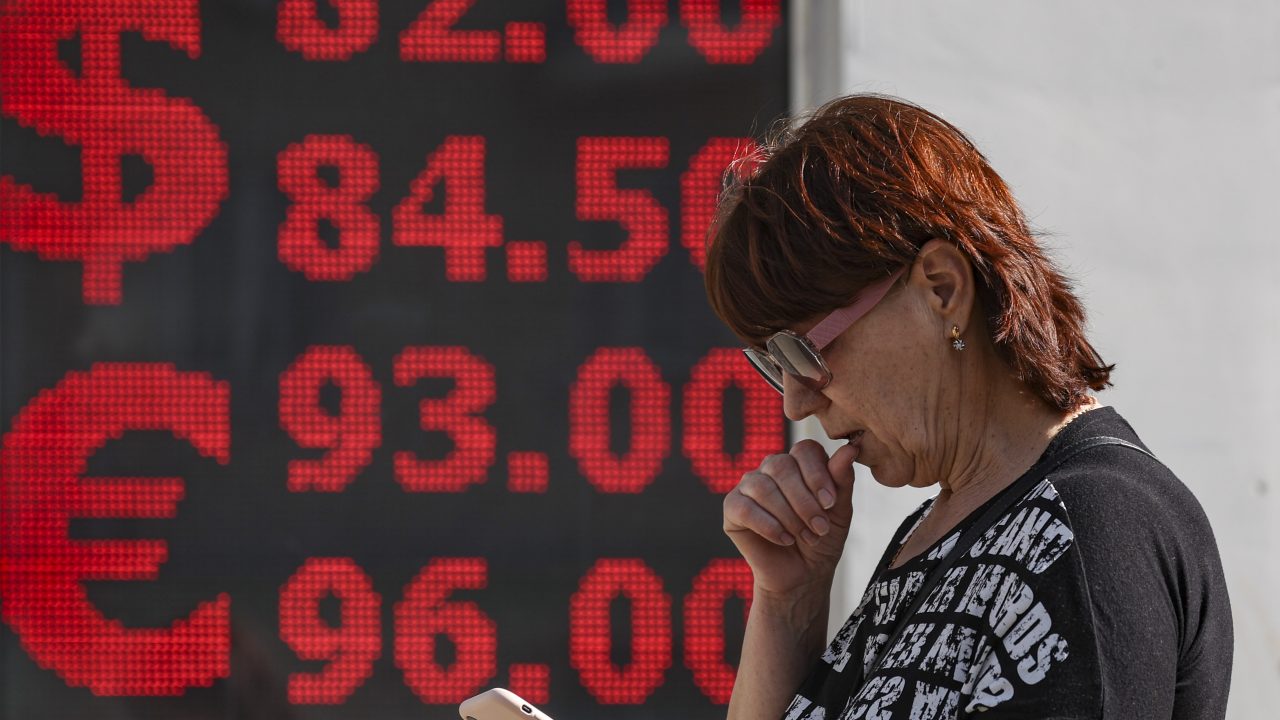
Caption: A woman walks in front of an exchange office with an electronic panel displaying currency exchange rates against the Russian ruble in Moscow, Russia, 21 April 2025. On the morning of 21 April, the over-the-counter dollar exchange rate was below 80 rubles for the first time since June 2024, falling to 78.2. [EPA-EFE/MAXIM SHIPENKOV]
Updated: May 27, 2025 - 16:21