 Edit
Trump claims victory in Iran conflict as attacks continue and Tehran denies deal
The U.S. President called off planned new strikes, citing diplomatic progress, then threatened to hit Iran “very hard” and even seize the strategic Kharg Island oil hub
President Donald Trump on Thursday declared that the United States had achieved “a great settlement” with Iran to end their three-month war, boasting that a formal signing could happen as soon as this weekend and reopen the Strait of Hormuz.
Yet hours later, Iran pushed back sharply. Foreign Ministry spokesperson Esmaeil Baghaei said no final decision had been made, with the proposed text still under review by Iranian decision-making bodies. Large parts of the agreement remain unresolved, particularly on Tehran’s core “red lines.”
Pattern of bragging and flip-flops
This is the latest episode in Trump’s repeated claims of imminent success. Since mid-March, he has multiple times announced that a deal was “very close” or essentially done – only for fresh U.S.-Iran exchanges of strikes to undermine the narrative.
CNN montage of all the times Trump announced deals with Iran.
Anderson Cooper: Today marks 39 times that he has said something like that. pic.twitter.com/10JYq299sN
— Blue Georgia (@BlueGeorgia) June 12, 2026
Trump called off planned new strikes on Iran, citing diplomatic progress, then threatened to hit Iran “very hard” and even seize the strategic Kharg Island oil hub.
A fragile ceasefire announced in early April has been repeatedly strained by tit-for-tat attacks, including this week’s U.S. strikes around the Strait of Hormuz following the downing of a U.S. Apache helicopter, and Iranian missile/drone responses.
Trump described the latest framework as “a very strong memorandum of understanding” that would prevent Iran from ever developing or acquiring nuclear weapons – a long-standing U.S. demand. He claimed broad regional approval, including from Israel, Saudi Arabia, Qatar, and the UAE. Israel quickly distanced itself, stating it was not a party to any such memorandum.
Perception of a losing hand
International observers and analysts increasingly view Trump’s Iran adventure as a strategic setback. What began with U.S. and Israeli strikes on Iran in late February has dragged on for months, killing thousands (mainly in Iran and Lebanon), spiking global energy prices, and damaging U.S. domestic approval ratings over high gasoline costs.
Despite Trump’s victory declarations, the conflict has exposed limits to U.S. leverage: Iran continues to resist core concessions, the Strait of Hormuz remains largely closed to normal shipping, and fresh fighting keeps erupting. Many see the episode as a costly stalemate that has strengthened Iran’s regional narrative of defiance while leaving Trump repeatedly walking back escalation threats into optimistic deal-making.
Markets reacted positively to the latest headlines – with U.S. stocks rising and oil prices falling – but the on-the-ground reality of continued attacks suggests the “great settlement” remains far from sealed.
With Reuters
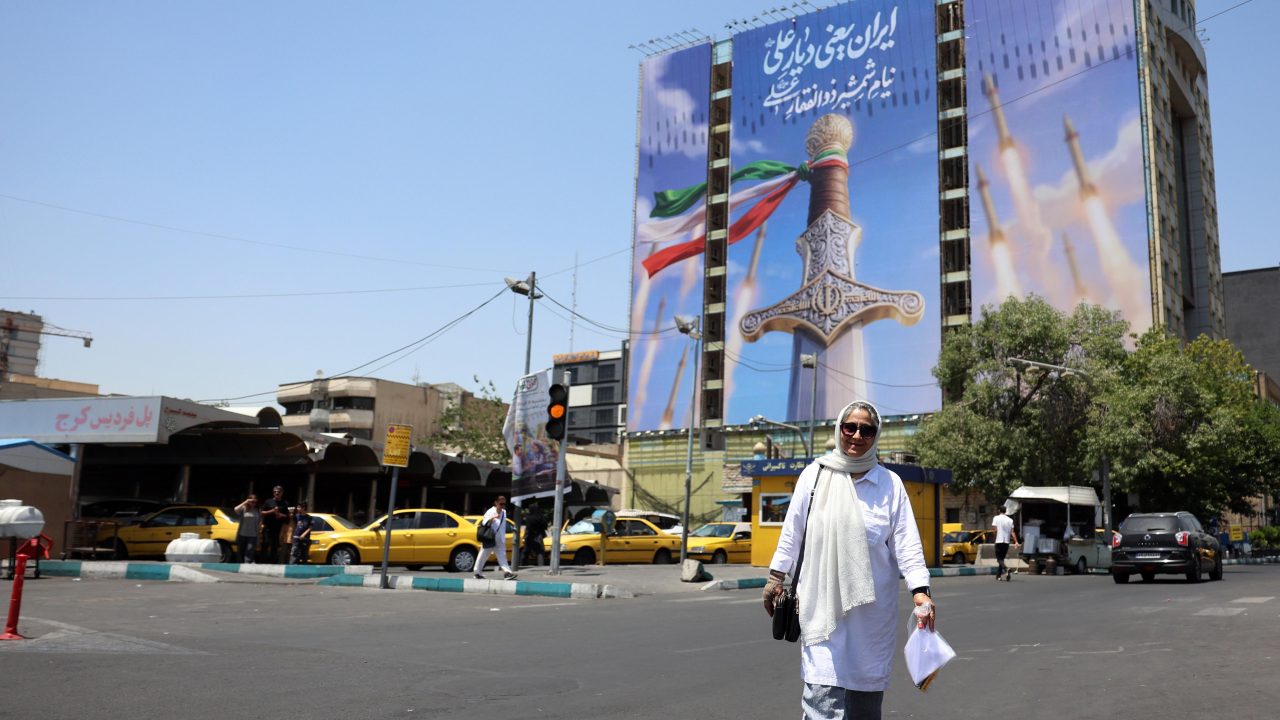
Caption: Iranians walk past a large-scale political billboard featuring Iranian missiles and a sword at Vanak square in Tehran, Iran, 11 June 2026. A ceasefire framework established between Washington and Tehran in April faces increasing strain following a series of US airstrikes across Iran and subsequent retaliatory missile barrages by the Islamic Revolutionary Guard Corps (IRGC) targeting US regional bases. EPA/ABEDIN TAHERKENAREH
Updated: June 12, 2026 - 08:44