 Edit
Ten EU countries demand ETS overhaul as energy crisis features high at Brussels summit
The letter arrives as leaders discuss the Middle East escalation, its consequences for energy prices, and the EU’s broader competitiveness agenda
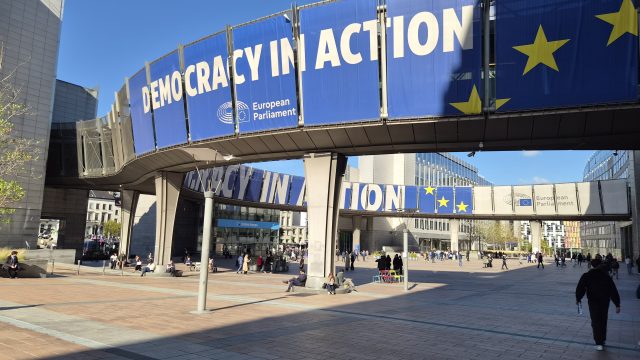
European Union leaders opened their two-day European Council summit today under intense pressure from ten member states calling for a major review of the bloc’s flagship Emissions Trading System (ETS), the EU’s main carbon-pricing mechanism, amid soaring energy costs triggered by the ongoing war in the Middle East.
In a joint letter sent on the eve of the summit to Commission President Ursula von der Leyen and European Council President António Costa, the prime ministers of Poland, Austria, Croatia, Czech Republic, Greece, Hungary, Italy, Romania and Slovakia warned that the current ETS rules pose an “existential risk” to energy-intensive industries at a time when oil prices have surged nearly 45% since the U.S.-Israeli conflict began.
The signatories are demanding an accelerated and thorough overhaul of the ETS. Key requests include extending free emission allowances for heavy industry beyond the planned 2034 phase-out, slowing the tightening of emission benchmarks, and introducing measures to reduce carbon-price volatility and cushion its impact on electricity bills. They argue that the rapid rollout of the Carbon Border Adjustment Mechanism (CBAM) combined with the war-driven energy shock is threatening competitiveness and jobs across the bloc.
Polish Prime Minister Donald Tusk publicly confirmed the initiative yesterday, framing the push as essential protection for European industry rather than a retreat from climate goals. The letter arrives as leaders gather to discuss the Middle East escalation, its consequences for energy prices and security, support for Ukraine, and the EU’s broader competitiveness agenda.
The timing is highly symbolic. The Hormuz crisis has already pushed wholesale electricity prices sharply higher across Europe, compounding the cost-of-living pressures that have dominated political debate for months. While the Commission has signalled willingness to use the Market Stability Reserve to smooth carbon-price swings and accelerate the long-planned ETS review (originally due in the third quarter), von der Leyen has repeatedly defended the system’s core integrity, describing it as a “proven” tool for decarbonisation and green investment.
A counter-letter from greener member states (including Denmark, Finland, the Netherlands, Spain and Sweden) and a separate appeal from 35 civil-society organisations urge leaders to resist any weakening of the ETS, warning that short-term concessions would undermine regulatory certainty and delay the green transition.
Energy and competitiveness are only part of today’s packed agenda. Leaders are also expected to hear from Ukrainian President Volodymyr Zelenskyy (online) on continued support for Kyiv, review progress on defence readiness, and discuss the next Multiannual Financial Framework. UN Secretary-General António Guterres is due to join for talks on multilateralism and de-escalation in the Middle East.
For many Central and Eastern European governments, the ETS debate has become a litmus test of whether the EU can balance its climate ambitions with immediate industrial survival in a volatile geopolitical environment. Proponents of reform insist that without adjustments, factories risk closure or relocation, while critics fear that opening the door to major changes now could unravel the EU’s carefully negotiated 2030 and 2040 climate targets.
Whether the summit produces concrete guidance for an earlier ETS review or merely notes the concerns remains to be seen. What is already clear is that the war in the Middle East has turned what was once a technical climate-policy discussion into one of the most politically charged items on the European Council table.
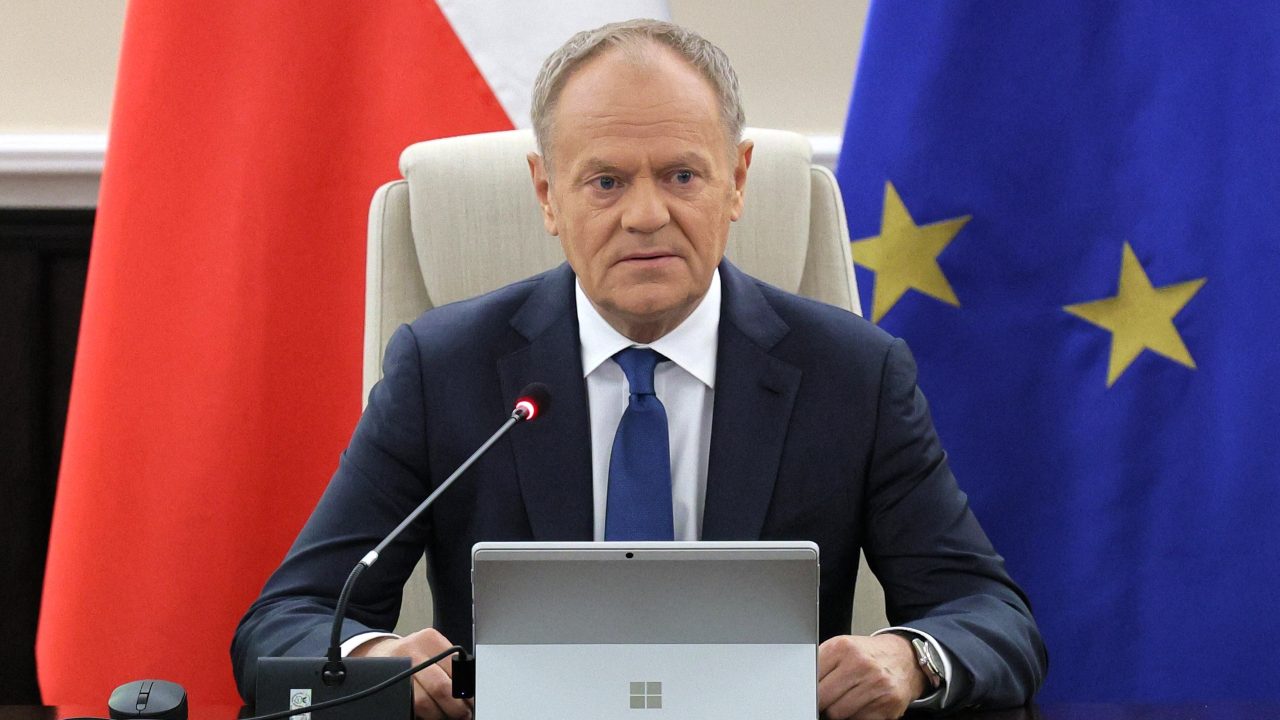
Caption: Polish Prime Minister Donald Tusk attends the government meeting at the Chancellery of the Prime Minister in Warsaw, Poland, 13 March 2026. Tusk publicly confirmed the initiative for a ETS overhaul on 18 March, framing the push as essential protection for European industry rather than a retreat from climate goals.EPA/Pawel Supernak
Updated: March 19, 2026 - 08:09