Edit
Zelenskyy joins EU leaders and Arab heads of state in Cyprus for high-profile informal summit
This informal European Council provides a timely platform for coordinated action on Ukraine, regional stability and the EU’s long-term strategic priorities
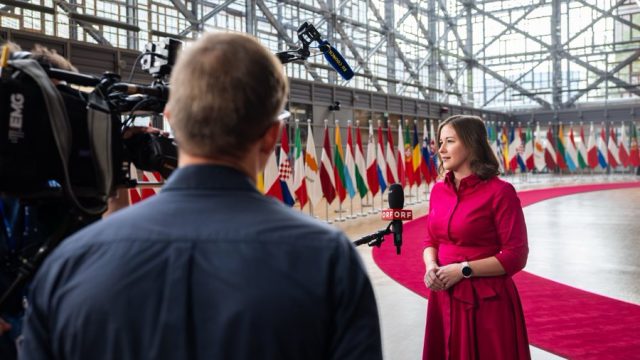
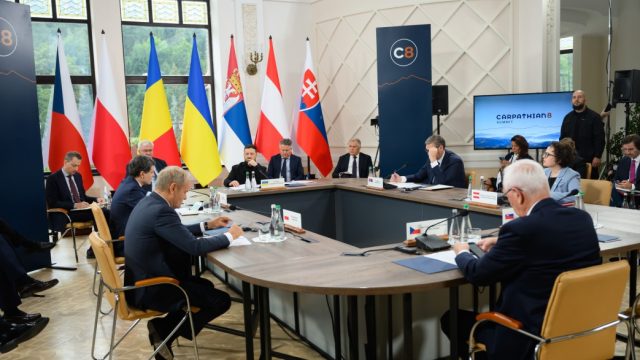
Cyprus is hosting one of the most significant informal European Council meetings in recent years as it chairs the EU’s rotating Presidency. Ukrainian President Volodymyr Zelenskyy reversed an earlier decision to join online and will be attending in person, while leaders from key Middle Eastern countries – Egypt, Jordan, Lebanon, Syria and the Gulf Cooperation Council – have been invited to a dedicated session on regional issues.
The two-day gathering (23-24 April) will also address soaring energy prices, EU defence readiness and the bloc’s next long-term budget (Multiannual Financial Framework 2028-2034).The summit will open on Thursday evening at Ayia Napa Marina in Famagusta district, with full working sessions scheduled for Friday at the Filoxenia Conference Centre in Nicosia.
Major breakthrough on Ukraine aid and Russia sanctions just 24 hours earlier
The timing is particularly significant following decisive steps taken yesterday by EU ambassadors. On 22 April, member states launched written procedures to formally unblock a €90 billion loan for Ukraine covering 2026-2027 and to adopt the 20th package of sanctions against Russia. Hungary, which had blocked both measures for months over a dispute involving Russian oil transit via the Druzhba pipeline, lifted its veto after Ukraine resumed pumping.
Cyprus, as the current Presidency, confirmed that ambassadors included both items on the agenda and initiated the written approval process, which is expected to conclude by Thursday afternoon. The loan – backed by the EU budget rather than frozen Russian assets – will support Ukraine’s defence forces, state budget and civilian needs. The new sanctions package aims to intensify pressure on Moscow over its ongoing aggression.
President Zelenskyy, who had described the €90 billion loan, the 20th sanctions package and progress on EU accession negotiations as his top three priorities for the summit, welcomed the constructive atmosphere among partners. Speaking earlier in Rome, he noted that “the procedure has started” and expressed confidence in positive outcomes. The decisions mark a clear win for EU unity on Ukraine support, especially after prolonged deadlock linked to Hungary’s previous position.
Zelenskyy will brief EU leaders personally during Thursday’s dinner session on the latest developments in Russia’s war against Ukraine.
Middle East focus and broader agenda
On Friday, EU heads of state and government will hold an informal working lunch with their Middle Eastern counterparts. The session is designed to strengthen dialogue on shared challenges, including de-escalation efforts in the region and the Gulf. Arrivals are expected from 12:50 pm EEST, followed by press statements at 3:40 pm.
The agenda also covers the EU’s geopolitical response, including potential activation of Article 42(7) – the mutual defence clause – and measures to mitigate the impact of regional crises on energy markets. European Commission President Ursula von der Leyen is expected to present concrete proposals on energy security.
Friday’s main working session will focus on advancing negotiations for the EU’s next long-term budget. The Cypriot Presidency has already completed the technical groundwork and is now seeking political direction, with the goal of a full agreement by the end of 2026.European Parliament President Roberta Metsola will address leaders at 8:45 am EEST on Friday, outlining the Parliament’s priorities amid global instability and rising energy costs. A joint press conference with Council President Antonio Costa, Cypriot President Nikos Christodoulides and von der Leyen is scheduled for 12:10 pm.
Notable absences and Cyprus’s strategic role
Hungary will not be represented at the summit. Outgoing Prime Minister Viktor Orbán, defeated in the 12 April parliamentary elections, has declined to attend due to the ongoing government transition. Austria is also absent for internal reasons.
Hungary set to drop veto on €90 billion EU loan to Ukraine as new pro-EU government takes shape
Informal summits are not decision-making bodies in the formal sense (no votes or legal conclusions), which explains why full representation is handled more flexibly than at regular European Council meetings.
By hosting the meeting, Cyprus – geographically positioned as Europe’s bridge to the Middle East – underscores its role as a key interlocutor at a time when European and regional security agendas are deeply intertwined. The island assumed the EU Council Presidency on 1 January 2026 and will hand it over to Ireland on 1 July.
Cyprus livestock farmers are still threatening to cause chaos during today’s EU summit by proceeding with a major protest and potential road blockades at the Rizoelia roundabout and near Larnaca airport/port on 23 April 2026 over the mass culling of animals due to the foot-and-mouth disease outbreak.
Livestock farmers threaten chaos ahead of high-profile EU informal summit in Cyprus
With EUalive’s partners Politis and Suspilne.
Caption: Cyprus is hosting one of the most significant informal European Council meetings in recent years as it chairs the EU’s rotating Presidency. [Politis]
Updated: April 23, 2026 - 05:44