Edit
Vučić to return as PM? SNS pushes for his candidacy amid opposition criticism of centralised power
The ruling Serbian Progressive Party (SNS) has called for President Aleksandar Vučić to lead its electoral list and serve as its candidate for PM
The ruling Serbian Progressive Party (SNS) has openly called for President Aleksandar Vučić to lead its electoral list and serve as its candidate for Prime Minister in the upcoming parliamentary elections, a move opposition figures have slammed as evidence of the party’s weakness and the extreme centralisation of power in one individual.
SNS President Miloš Vučević stated that the party expects Vučić to appear on its candidate list for the parliamentary vote and hopes he will head the list as its bearer. In the event of victory, Vučević described Vučić as the “natural choice” for Prime Minister. “We expect Aleksandar Vučić to be with us on the list. That is an open invitation and we are awaiting his final decision. We would like him to be the list bearer, to be number one on the list,” Vučević said.
This development follows Vučić’s announcement at a major SNS rally in Belgrade on 27 June, where he declared he would resign as President “within a few weeks.” His second and final presidential term was originally set to expire in mid-2027. Early parliamentary and presidential elections are now widely anticipated within the next 3–4 months.
Analysis: If Vučić calls elections, it means he plans to stay in power longer
Opposition reaction: a sign of weakness
Stefan Janjić, MP and Secretary General of the opposition party Serbia Centre (SRCE), sharply criticised the idea. He argued that nominating Vučić for Prime Minister would demonstrate SNS weakness, revealing that no viable government or institutions exist independently – with all power concentrated in one man’s hands.
“Paradoxically, the man who is already President of the Republic, who decides everything on a daily basis – from foreign policy to the price of bread – is now seeking another function to hide the fact that behind him there are no longer results or cadres capable of independently bearing responsibility,” Janjić said. He urged pro-European opposition forces not to participate in what he called “Vučić’s reality show,” where elections revolve around a single individual.
Janjić added that Serbia does not lack candidates for Prime Minister but rather suffers from an excess of one man who has assumed nearly all state functions: “When the time comes to choose a Prime Minister, citizens will have the opportunity to see the difference between people who want to lead the Government, and a man who for 14 years has been trying to be President, Prime Minister, minister, prosecutor, and editor of all televisions at the same time.”
Context and implications
Vučić’s potential shift to the Prime Minister’s role would allow him to retain significant executive influence while stepping down from the presidency (which constitutionally bars a third term). Analysts note this as a strategic move to consolidate power ahead of elections, especially amid prolonged anti-government protests. A new government could be formed without immediate new elections if he resigns the presidency, though early votes appear likely.
The SNS rally on 27 June featured the slogan “United Serbia,” and Vučić has signalled he will help the party secure victories in both parliamentary and presidential contests. Speculation continues about the exact timing of his resignation and the election schedule, with some observers predicting votes by late 2026.
This scenario highlights long-standing debates in Serbian politics about power concentration, institutional independence, and the personalisation of governance under Vučić’s long dominance since the SNS came to power around 2012.
Opposition voices argue it underscores a lack of capable successors within the ruling party, while SNS loyalists frame it as a natural continuation of proven leadership. As election preparations intensify, the focus remains on whether Vučić will formally accept the candidacy and how voters will respond to the prospect of his return to the premiership. The coming weeks are expected to bring clarity on the resignation timeline, list names, and election dates.
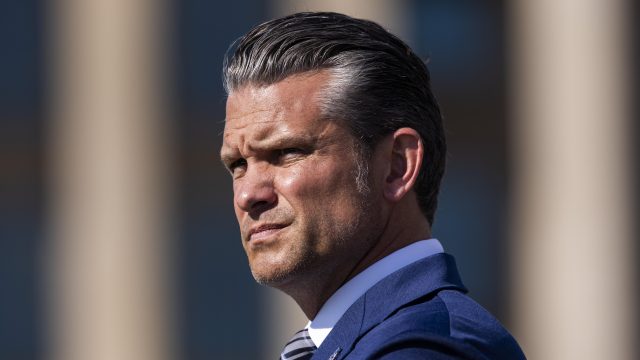
Caption: Serbian President Aleksandar Vucic delivers a speech during a rally of the ruling Serbian Progressive Party (SNS) in Belgrade, Serbia, 27 June 2026. Vucic announced during the event that he will resign in the coming weeks. EPA/ANDREJ CUKIC
Updated: July 3, 2026 - 06:50