 Edit
UK’s Starmer resists calls to quit over Mandelson scandal
A resignation would undermine UK's global standing, particularly in transatlantic relations under Trump, who has openly aligned with Reform UK's Nigel Farage
In the midst of one of the most severe crises to engulf the UK Labour government since its landslide victory in July 2024, speculation about Prime Minister Keir Starmer’s resignation has intensified. The catalyst – a cascade of revelations surrounding Peter Mandelson’s ties to Jeffrey Epstein, culminating in the resignations of Starmer’s chief of staff, Morgan McSweeney, on 8 February, and communications director, Tim Allan, the following day – has exposed deep fissures within the party and eroded public confidence.
Starmer’s decision to appoint Mandelson as ambassador to the United States in 2024, despite known Epstein connections that persisted post-2008 conviction, has been lambasted as a profound lapse in judgment, amplified by newly released U.S. documents revealing Mandelson’s sharing of market-sensitive information during the 2008 financial crisis. With Starmer’s approval ratings plummeting to a net -57 in January 2026 – the joint-lowest for any prime minister except Liz Truss – and Labour polling at just 22% behind Reform UK’s 31%, the question is no longer if resignation rumours will persist, but what systemic consequences might follow if Starmer steps down.
Peter Mandelson as Trump White House bridge-builder: a curious choice from the outset
Immediate political instability and Labour’s leadership vacuum
A Starmer resignation would trigger an immediate leadership contest within the Labour Party, governed by rules requiring nominations from 20% of MPs (around 82 of 411) and potentially extending to a full membership ballot if multiple candidates emerge. As deputy leader, Angela Rayner would likely assume interim prime ministerial duties, providing short-term continuity but risking further internal discord given her left-leaning stance and past criticisms of Starmer’s centrist pivot. Potential successors include Chancellor Rachel Reeves, whose economic orthodoxy might appeal to moderates amid fiscal pressures; Health Secretary Wes Streeting, a media-savvy right-winger hampered by his Mandelson ties; or even Foreign Secretary David Lammy, though his foreign policy focus could alienate domestic priorities.
This transition could exacerbate Labour’s fragmentation, with calls for Starmer’s ouster already emanating from regional figures like Scottish Labour leader Anas Sarwar and anonymous Welsh MPs. The party’s 174-seat majority offers a buffer against an immediate general election, but a protracted contest – potentially lasting months – might invite opposition no-confidence motions, especially if defections or by-election losses (e.g., the upcoming Gorton and Denton contest) erode that cushion. Opposition leaders like Conservative Kemi Badenoch have deemed Starmer’s position “untenable,” signalling readiness to exploit any vacuum for parliamentary gains.
Analytically, this scenario risks amplifying Labour’s “sleaze” narrative, already fuelled by policy U-turns on issues like winter fuel payments and Gaza, which have alienated core voters. Voter haemorrhaging to Reform UK on the right (anti-immigration sentiment) and Greens/Liberal Democrats on the left could solidify a fragmented electorate, mirroring the volatility seen in recent polls where Labour has lost 14 points since 2024. If a new leader fails to reverse this, the May 2026 local elections could deliver a devastating rebuke, potentially forcing an early general election by late 2026 or 2027.
Economic repercussions and market volatility
Economically, Starmer’s exit could heighten uncertainty at a precarious juncture. UK borrowing costs rose on 9 February, following the aides’ resignations, with gilt yields climbing as investors priced in political risk. A leadership vacuum might widen risk premia on UK assets, particularly if perceived as echoing the 2022 Truss meltdown, deterring foreign investment amid sluggish growth (projected at 1.1% for 2026) and persistent cost-of-living pressures. The pound, already volatile against the dollar, could depreciate further, exacerbating inflation imports.
A Reeves-led government might stabilize markets through fiscal conservatism, but a leftward shift under Rayner could unsettle investors wary of higher spending. Broader implications include delayed budget implementation, stalling reforms in housing, energy, and NHS, which are critical for addressing productivity stagnation. In a worst-case scenario, prolonged instability could invite credit rating downgrades, raising debt servicing costs and constraining future fiscal manoeuvres.
International dimensions and geopolitical shifts
Internationally, a resignation would undermine UK’s global standing, particularly in transatlantic relations under President Trump, who has openly aligned with Reform UK’s Nigel Farage. Mandelson’s appointment was intended to navigate U.S. tariffs and NATO pressures, but the scandal has highlighted perceived naivety, potentially weakening negotiations on trade deals or Ukraine aid. EU partners, already skeptical of post-Brexit UK reliability, might exploit any hiatus to push unfavorable terms in ongoing talks.
Long-term, a Starmer downfall could accelerate the rise of populist forces, with Reform UK poised to capitalize on anti-establishment sentiment, potentially reshaping UK foreign policy toward isolationism. This might strain alliances, from AUKUS to Five Eyes, as domestic turmoil distracts from global challenges like climate and migration.
While Starmer has vowed to persist – “we go forward from here” – a resignation would not merely end his tenure but could precipitate a broader realignment in UK politics, echoing the instability of the late 2010s. The consequences hinge on Labour’s ability to unify swiftly; failure risks entrenching division, economic drag, and diminished influence abroad.
With Reuters, Bloomberg, edited by g.g.
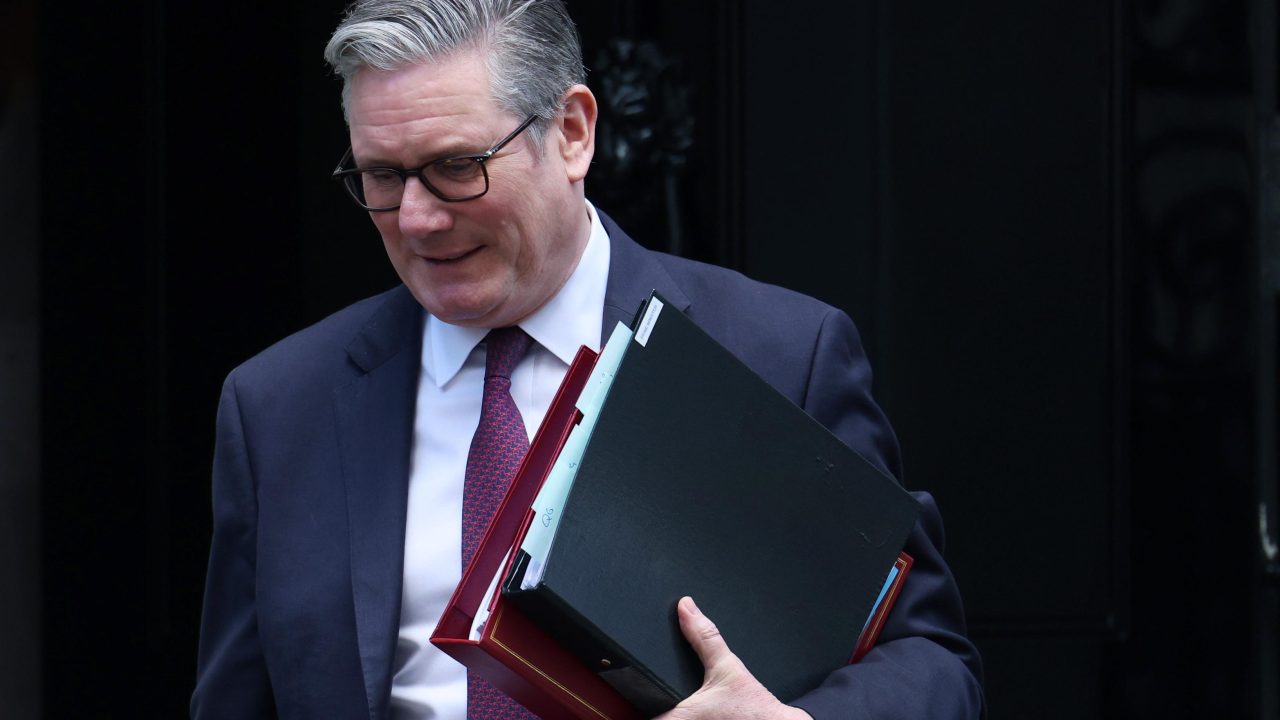
Caption: British Prime Minister Keir Starmer departs 10 Downing Street for Prime Ministers Questions at Parliament in London, Britain, 04 February 2026. EPA/ANDY RAIN
Updated: February 9, 2026 - 16:32





