 Edit
Ukrainians lose hope in NATO accession, turn focus to ending war through talks
Gallup poll shows rising support for negotiations with Russia, while trust in US leadership plummetted after Trumps's return to office
As Ukraine’s NATO aspirations fade, a growing majority of Ukrainians are shifting their focus toward ending the war with Russia through negotiations, Gallup’s latest survey reveals.
Three years into Russia’s full-scale invasion, public support in Ukraine for fighting until victory has reached its lowest point. According to Gallup’s July 2025 poll, 69% of Ukrainians now favor a negotiated end to the war as soon as possible, while just 24% still support continuing the fight until full victory. That is a near reversal of views from 2022.
The changing mood comes as optimism about Ukraine’s NATO accession prospects collapses. Just 32% now believe the country will join the alliance within the next decade, down from 69% two years ago. One-third believe Ukraine will never be accepted into NATO, marking a turning point in public sentiment that could reshape the country’s long-term foreign policy orientation.
Disillusionment with NATO, frustration with Washington
While Ukrainians continue to see NATO membership as crucial for national security, confidence in eventual accession has eroded steadily. Hopes for European Union membership remain somewhat stronger, with 52% expecting entry within the next ten years, although this is also down from previous highs.
The shift in mood comes amid growing frustration with Ukraine’s key international partners, especially the United States. Public approval of US leadership has plunged to just 16% – down from 66% in 2022, as political tensions between Kyiv and Washington have intensified under Donald Trump’s return to office. A strained meeting between Trump and President Volodymyr Zelenskyy in February 2025 coincided with a temporary freeze in US military aid.
By contrast, Germany’s approval ratings have surged to 63%, the highest ever recorded, reflecting changing perceptions of Berlin’s role in the conflict, despite its initially cautious stance.
Readiness to negotiate, skepticism about outcomes
Despite the war’s ongoing toll, many Ukrainians now appear ready to trade battlefield goals for political settlement. President Zelenskyy has signaled openness to restarting negotiations, potentially even with Vladimir Putin, in a bid to de-escalate the war. Meanwhile, 70% of Ukrainians believe the USA should still play a “significant role” in peace talks. The number remains high despite Washington’s falling approval.
Confidence in a swift resolution remains elusive. Only 5% of respondents said they believe active fighting is “very likely” to end within the next 12 months, and two-thirds said a near-term end to hostilities is unlikely.
Resilient leadership, weak institutions
Zelenskyy’s personal approval rating remains relatively strong at 67%, well above the 60% recorded last year and far higher than that of his predecessor, Petro Poroshenko. However, confidence in national leadership overall stands at 46%, and trust in key institutions, including the judiciary and the government, remains low.
Perceptions of corruption are among the highest in the world, with 85% of Ukrainians believing it is widespread. Recent protests erupted after the Zelenskyy administration proposed curbing the independence of anti-corruption agencies, prompting backlash both domestically and in Brussels.
Ukraine’s swift U-Turn: restoring anti-corruption independence amid western pressure
Confidence in the Ukrainian military remains nearly universal, with over 90% expressing trust in the institution. That is among the highest rates globally. But this trust does not extend to other parts of government. Just 42% believe elections are conducted honestly, and confidence in the national government stands at 35%, a modest recovery from the 28% recorded in 2024.
Judicial reform remains an uphill battle. Only 27% of Ukrainians express confidence in the justice system, a figure largely unchanged despite years of Western-backed institutional reform efforts.
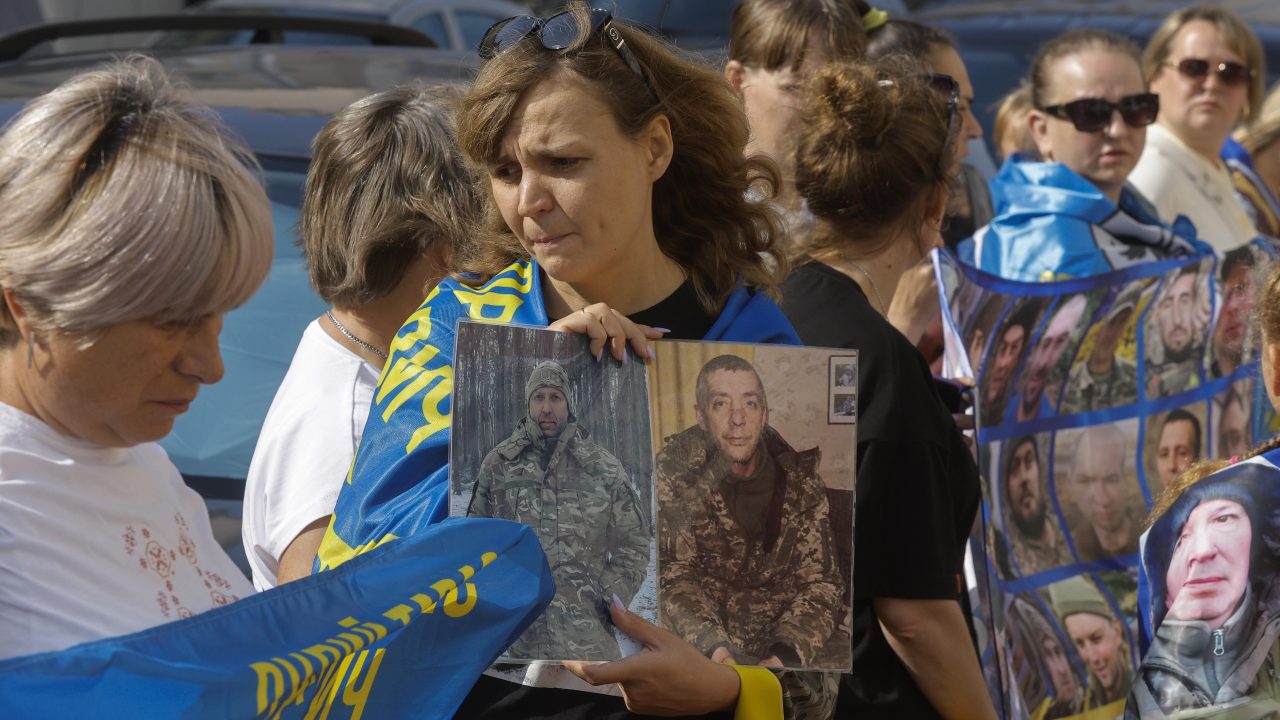
Caption: People hold placards and portraits during a rally in support of prisoners of war and missing people who were fighting in the Kursk region of Russia, calling for authorities to find and return their relatives from Russian captivity, in downtown Kyiv, Ukraine, 29 July 2025, amid the Russian invasion. EPA/SERGEY DOLZHENKO
Updated: August 7, 2025 - 14:27


