 Edit
Spain’s deadliest wildfires in a decade signal a continent on edge
European countries recorded more than 10,000 excess deaths during the record-breaking heatwave in late June
Southern Europe is experiencing multiple large wildfires amid ongoing heatwaves. In Spain’s Almería province, a major fire has killed at least 12 people, including four British nationals, and left 23 others missing. The fire has burned more than 6,600 hectares.
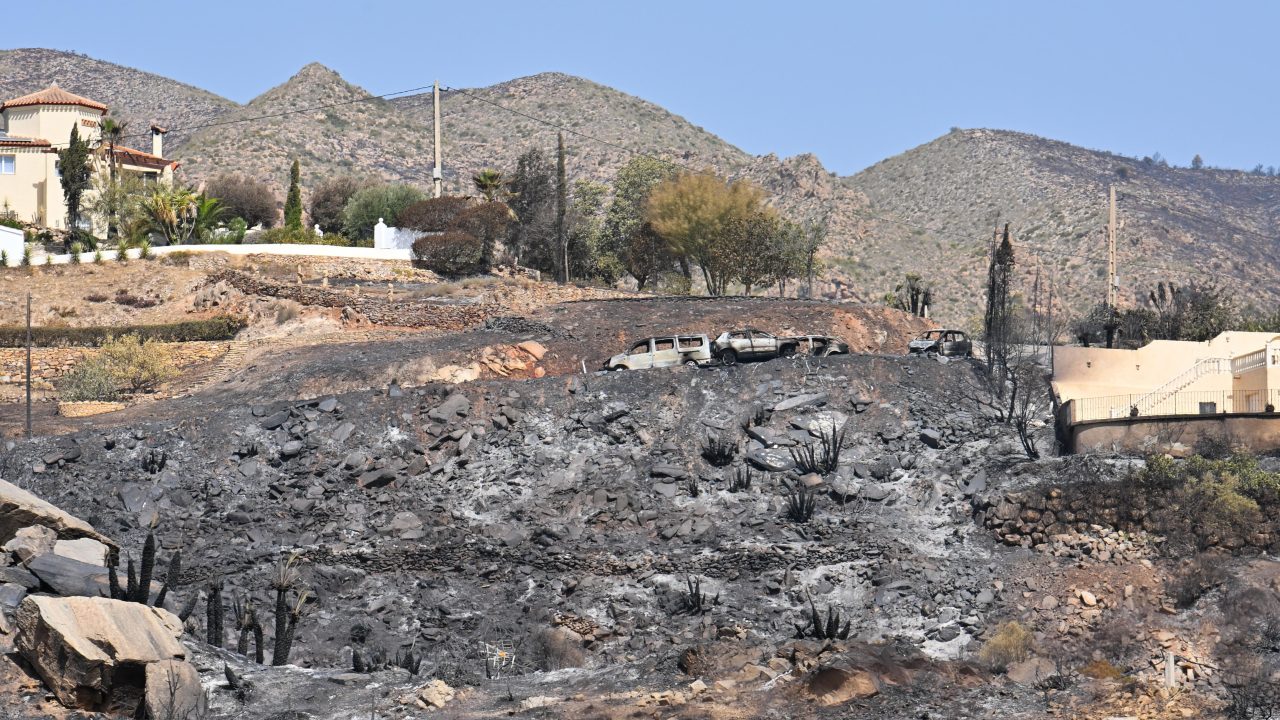
The fire started on Thursday evening near Los Gallardos and spread rapidly to the village of Bedar, which has around 1,000 residents. Residents evacuated as flames advanced. Three days later, many returned to find damaged homes and burned landscapes. A suspected downed power line ignited the blaze in dry vegetation, though electricity companies dispute this account. High temperatures near 40°C and strong, shifting winds drove the fire’s spread.
In Almería, farms and tourism, a key economic sector, face disruption. Residents are assessing damage and beginning recovery. Authorities continue to advise caution as temperatures remain high.
Firefighters, local communities, and officials are managing the response. The events in Bedar and surrounding areas, combined with fires elsewhere in Europe, show the scale of current wildfire risks. Officials and scientists emphasize the need for better preparation and action on underlying climate drivers.
Spanish Guardia Civil confirmed burned-out vehicles seen in Bedar had been used by people who died in the Almeria wildfire while trying to escape the blaze https://t.co/9dHoCkDLoO pic.twitter.com/SfneJ2Zxdj
— Reuters (@Reuters) July 11, 2026
Local impact and expat accounts
Bedar and nearby areas have significant expatriate communities, particularly from Britain and Ireland. British resident Nicki Wilkinson, who has lived in Mojácar for 21 years, described the event as the largest fire in the area she has experienced. She noted that the rapid spread surprised many, forcing families to abandon farms and livestock. Some people became trapped in vehicles or homes. “The impact has been massive, and it’s only just begun,” Wilkinson stated.
Lucinda Curtois, who was on holiday in Bedar with her partner and teenage children, escaped the area. She reported seeing a large smoke plume and said the fire moved extremely quickly.
Emergency services continue operations. Andalusia’s health and emergencies minister, Antonio Sanz, said improving weather allowed firefighters to move from defensive positions to direct attacks on remaining hotspots. Hundreds of personnel are working on the fire.
The human toll includes at least 12 confirmed deaths in the Bedar area. Four victims were British nationals found in a right-hand drive car. Authorities have not released full identities. Many victims were foreign nationals living in or visiting the region.
Fires across Europe
Spain is not the only country affected. Portugal has deployed military units and hundreds of firefighters to multiple blazes, including a large fire in the Vouzela area. Conditions there have been described as high-risk due to heat and wind.
Greece has reported fires near Thessaloniki, including in industrial zones, prompting evacuations and concerns about toxic smoke. France has evacuated thousands from the Pyrenees foothills and other areas, including zones near the Tour de France route. Italy, the Balkans (including Albania and Montenegro), and Turkey have also recorded active wildfires under high fire danger conditions.
France battles suspicious wildfire near Paris
A fast-moving wildfire tore through the historic Fontainebleau forest just 70 km south of Paris on Monday, forcing the closure of the A6 motorway to Lyon and disrupting high-speed rail services. Hundreds of firefighters, supported for the first time in the Greater Paris region by Canadair water-bombing aircraft skimming the River Seine, battled the blaze that turned skies black and prompted the evacuation of up to 800 residents.
Interior Minister Laurent Nunez described the fire as suspicious, noting around ten ignition points within a 1,000-metre radius, suggesting deliberate arson. Although largely contained by afternoon, gusty winds complicated efforts in the ecologically and culturally sensitive area near the famous royal palace.
European countries recorded more than 10,000 excess deaths during the record-breaking heatwave that swept across western Europe in late June, according to official data. The vast majority – over 9,000, occurred among people aged 65 and older, according to EuroMOMO, a surveillance network supported by the European Centre for Disease Prevention and Control (ECDC) and the World Health Organization (WHO).
At the same time, wildfires have ravaged the continent, with the European Union reporting more than 155,000 hectares burned. Very extreme fire danger has been registered across western and central Europe, particularly in Spain, France, northern Portugal, and northern Italy.
Climate and long-term context
Europe stands as the fastest-warming continent, heating at twice the global average since the 1980s according to the Copernicus Climate Change Service. This acceleration intensifies summer heatwaves, strains water resources, and heightens wildfire risks. Scientists link these changes directly to human-driven climate factors, including the burning of fossil fuels, which exacerbate drought and create “perfect storm” conditions for fires. In the past decade, hundreds have perished in European wildfires, a toll experts warn will only worsen without concerted action on emissions, land management, and preparedness.
The Almería fires highlight vulnerabilities in communities blending local traditions with international residents. Many expatriates, drawn by the region’s appeal, now face uncertain futures as they rebuild amid loss. Farms lie abandoned, tourism – a vital economic pillar, hangs in limbo, and the psychological scars of sudden displacement linger. Authorities urge extreme caution as temperatures remain elevated, warning that such events are becoming more frequent.
In the past decade, European wildfires have caused hundreds of deaths. Notable previous incidents include Greece’s 2018 fires (over 100 deaths) and Portugal’s 2017 fires (dozens of deaths). Experts state that such events are likely to increase without reductions in emissions and improvements in land management and preparedness.
Yet amid the devastation, resilience shines through. Firefighters’ tireless efforts, community solidarity, and the quiet determination of returning residents speak to the enduring spirit of these sun-drenched lands. As Europe confronts its fiery new reality, the events in Bedar and Los Gallardos serve as a stark reminder: the paradise many sought may require urgent protection if it is to survive a changing climate. Monitoring continues, with forecasts indicating sustained high fire risk in parts of the Mediterranean. Authorities urge residents and visitors to follow evacuation orders and fire safety guidelines.
This article was updated with reporting about the wildfires raging in the vicinity of Fontainebleau
Sources: El Pais, EFE, RTE, Reuters
Caption: View of burned-out vehicles in Beda village, Almeria, southern Spain, 11 July 2026. The fire has left 12 people dead and more than 6,600 hectares burnt. EPA/CARLOS BARBA
Updated: July 14, 2026 - 07:15





