Edit
Nordic-Baltic leaders unite with Zelenskyy, signaling growing regional influence
The Tallinn meeting exemplifies how regional formats like NB8 can punch above their weight, fostering resilience in support of shared democratic values
Estonian Prime Minister Kristen Michal hosted the Nordic-Baltic Eight (NB8) Prime Ministers’ meeting in Tallinn on Tuesday, joined by Ukrainian President Volodymyr Zelenskyy. The gathering underscored the NB8’s role as one of Ukraine’s most steadfast supporters and highlighted the format’s rising prominence in European security and foreign policy
The NB8 comprises Denmark, Estonia, Finland, Iceland, Latvia, Lithuania, Norway, and Sweden. Estonia holds the rotating presidency in 2026, prioritizing Ukraine support, regional security, and enhanced cooperation.
Impressive to see the lineup of NB8 🇪🇪🇳🇴🇩🇰🇸🇪 🇱🇻 🇱🇹 🇮🇸 🇫🇮 PM’s together with 🇺🇦 in Tallinn today. pic.twitter.com/sd8eLH15M0
— Carl Bildt (@carlbildt) June 9, 2026
Key outcomes and discussions
Leaders focused on bolstering Ukraine’s defence, particularly air defence systems, amid Russia’s ongoing aggression. They addressed intensifying sanctions on Russia, advancing Ukraine’s NATO and EU integration, and exploring joint initiatives like drone technology sharing and production.
Zelenskyy held bilateral meetings, including with Finnish Prime Minister Petteri Orpo on anti-ballistic defense and drone deals, and signed agreements such as a Drone Deal with Latvia for joint production of drones, missiles, and electronic warfare systems.
Collectively, the NB8 nations have provided over €42 billion in aid to Ukraine – the highest per capita globally – demonstrating their commitment since Russia’s full-scale invasion.
The growing influence of NB8
The NB8, an informal cooperation platform, has gained momentum since Russia’s 2022 invasion of Ukraine and the accessions of Finland and Sweden to NATO. It serves as a “coalition of the willing” on security issues, coordinating on sanctions, hybrid threat countermeasures, energy infrastructure, and support for Ukraine and Moldova.
Analysts note its strategic value: geographically positioned on NATO’s northeastern flank, the group amplifies the voice of smaller-to-medium democracies in European affairs. Under Estonia’s 2026 chairmanship, efforts focus on increasing international visibility, deepening integration, and “plus” formats with partners like the US.
The format’s influence extends beyond aid. NB8 countries lead coalitions (e.g., Drone, IT, Demining) and emphasize Ukraine as a security contributor, not just recipient. In an era of transatlantic uncertainties, this unified bloc helps shape Eastern policy, regional resilience, and long-term support for Ukraine.
Broader context
The summit aligns with prior commitments, including a February 2026 joint statement marking the invasion’s anniversary. It reinforces that “Europe cannot protect itself without Ukraine,” as Zelenskyy emphasized.
As geopolitical tensions persist, the NB8’s cohesion positions it as an increasingly influential player – driving practical cooperation where larger institutions move slower. The Tallinn meeting not only delivered tangible outcomes for Ukraine but also signalled the maturing of Nordic-Baltic unity as a force in European security architecture.
This gathering exemplifies how regional formats like NB8 can punch above their weight, fostering resilience and resolve in support of shared democratic values.
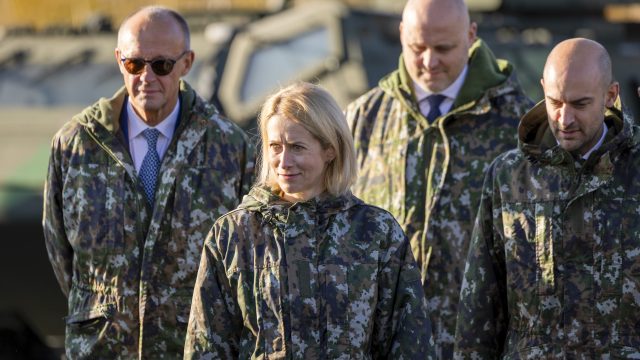
Caption: NB8 leaders and Zelenskyy at the Tallinn summit press conference and bilateral engagements. [Image from the event, Carl Bildt on X]
Updated: June 10, 2026 - 06:39