 Edit
Georgia’s only refinery abandons Russian oil, switches to Kazakh and Libyan crude
The move comes after the EU included the Kulevi refinery in its 21st package of sanctions against Russia
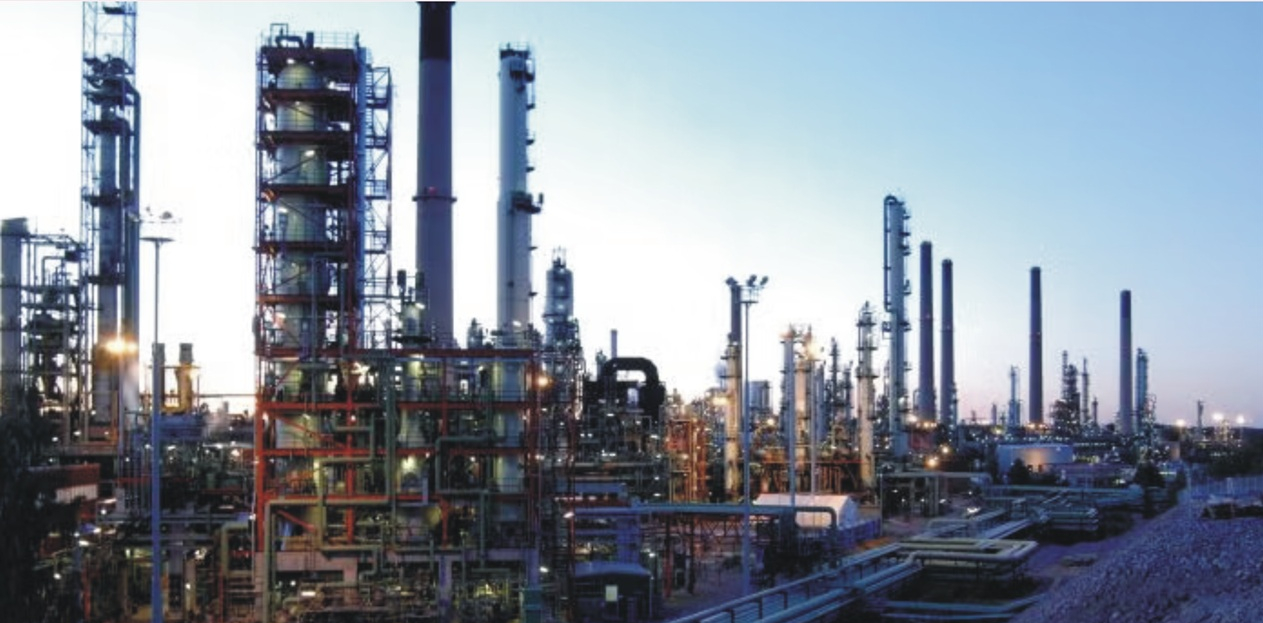
Georgia’s sole oil refinery, located in the Black Sea port of Kulevi and operated by Black Sea Petroleum (BSP), has begun a full transition away from Russian crude. The company announced that it will process exclusively non-Russian oil starting in August–September 2026, sourcing feedstock instead from Kazakhstan and Libya.
BSP confirmed that the Kulevi facility already received and refined Kazakh crude in early July and will continue doing so through August. The first cargo of Libyan oil is expected between 20 and 30 August under a supply contract signed on 3 July with an international trading company. That agreement runs until the end of 2027 and includes an option for extension.
The move comes in direct response to European Union pressure. On 23–25 July the EU included the Kulevi refinery in its 21st package of sanctions against Russia, imposing a ban on transactions with the plant because it had been processing Russian crude. The measures carry a six-month transition period and are scheduled to take effect on 25 January 2027 unless the company fully ends its use of Russian oil and provides verified proof of diversification. The European Commission has stated that BSP is cooperating actively and that the company’s steps align with the required timeline.
Georgia under scrutiny: what EU sanctions over the Kulevi oil terminal could mean
BSP said it “will continue to implement its feedstock diversification plan, engage constructively with the European Commission and other relevant institutions, and provide clear, verifiable evidence of progress.” The shift is also expected to open access to higher-margin export markets, including the European Union, which restricts products derived from Russian oil.
The Kulevi refinery, Georgia’s first full-cycle oil-processing plant, began operations in October 2025 with an initial capacity of 1.2 million tonnes per year. It processed more than 650,000 tonnes in the first half of 2026. Expansion plans aim to raise capacity to around 4–4.5 million tonnes annually, with future production of road bitumen and aviation fuel targeted for 2027. Between October 2025 and May 2026 the plant received six shipments of Russian crude; refined products later reached markets in Spain and Bulgaria, drawing scrutiny over potential sanctions circumvention.
Georgia has long relied heavily on energy imports. While Azerbaijan supplies most of its natural gas, petroleum products have come from a mix of regional sources, including Russia. The new refinery was intended to reduce dependence on finished-product imports and turn Georgia into a modest processing hub. The rapid pivot away from Russian feedstock underscores how EU sanctions are reshaping energy logistics even in countries outside the formal sanctions regime.
Regional context: South Caucasus diversification and the widening gap with Russia
The Kulevi decision fits a broader pattern across the South Caucasus of reducing reliance on Russian energy amid geopolitical realignment. Neighbouring Armenia under Prime Minister Nikol Pashinyan offers a parallel illustration of this trend.
Armenia has made its choice. Can it replace Georgia as the Caucasus’ primary transit hub?
Pashinyan’s government formally resigned on 2 August as a constitutional requirement after the newly elected parliament convened following June elections, in which his Civil Contract party secured a majority. He was promptly reappointed, signalling policy continuity. Since the 2020 and 2023 losses in Nagorno-Karabakh, Pashinyan has steadily widened Armenia’s distance from Russia – its traditional CSTO security partner and dominant energy supplier – while deepening ties with the European Union, the United States and regional partners.
Armenia remains highly dependent on Russian gas (around 80 percent of supply) and petroleum products. Moscow has repeatedly used energy leverage, including threats to suspend or terminate supply agreements if Yerevan advances EU accession. Russia has also imposed temporary trade restrictions on Armenian goods. In response, Armenia has sought alternative routes and suppliers, explored Iranian gas swaps, and pursued infrastructure projects such as the U.S.-backed TRIPP transport corridor that would further reduce Russian influence over regional connectivity.
U.S. secures strategic transit corridor in Armenia-Azerbaijan peace deal
While Georgia’s government maintains a friendly stance toward Moscow, the commercial decision at Kulevi – driven by EU market access and sanctions risk – mirrors Armenia’s strategic efforts under Pashinyan to diversify away from Russian energy dependence. Both countries are navigating the same underlying pressure: Western sanctions on Russia, the search for alternative Caspian and Mediterranean crude sources, and the gradual erosion of Moscow’s former dominance in the South Caucasus energy and transit landscape.
For Georgia, successful completion of the switch by early September would allow the Kulevi refinery to continue operations without interruption and potentially expand exports. For the wider region, it is another incremental step in the reconfiguration of energy flows that began after Russia’s full-scale invasion of Ukraine and has accelerated as countries prioritise supply security over historical ties.
Edited by g.g.
Caption: Corporate photo of the Kulevi refinery in Georgia, on the Black Sea coast [Kulevi refinery website]
Updated: August 4, 2026 - 09:48