Edit
Bulgarian MEP accuses European Parliament rapporteur of bias in North Macedonia report
Ivaylo Valchev says Thomas Waitz has breached transparency rules and has compromised neutrality
Bulgarian Member of the European Parliament (MEP) Ivaylo Valchev (ECR) has raised formal concerns over the impartiality and procedural integrity of a key European Parliament report on North Macedonia, accusing its rapporteur, Austrian MEP Thomas Waitz, of breaching transparency rules and compromising neutrality.
In a letter addressed to European Parliament President Roberta Metsola, Valchev alleges that Waitz, a member of the Greens/EFA group, failed to disclose meetings with North Macedonian officials in Brussels and Skopje during the drafting of the Parliament’s annual report on the candidate country’s EU progress.
The report, which is due to be voted on in the Foreign Affairs Committee (AFET) in early June and in plenary in July, has come under scrutiny following revelations that six identical amendments – calling for “recognition and respect of the Macedonian language and identity” – were submitted by MEPs across three political groups, including the European People’s Party (EPP).
“These amendments, mirrored word-for-word, appear coordinated and risk undermining the multiethnic framework of North Macedonia enshrined in the 2001 Ohrid Agreement,” Valchev wrote.
The Bulgarian MEP also highlighted what he described as “unusual activity” by North Macedonian officials around the time of the shadow rapporteurs’ meetings. He cited undisclosed contacts with MEPs, including Waitz, as well as a visit by North Macedonia’s Minister of European Affairs, Orhan Murtezani, to Brussels, where he reportedly met with officials involved in shaping the report.
“These developments have disturbing similarities to events in 2023, when lobbying efforts led to the European Parliament refraining from adopting the 2022 report on North Macedonia, again due to undue political pressure on Members. At that time, then Foreign Minister Bujar Osmani was present in the European Parliament on the day of the Shadow meeting and later publicly admitted in an interview that he had met with certain Shadow Rapporteurs, providing them with written arguments on how the report should be shaped”, Valchev says in his letter
Additionally, Bulgarian government is worried that many rapporteur meetings were not registered in the Parliament’s Transparency Register.
Adding to the controversy, Valchev pointed to a leak of a draft version of the current report to the press in North Macedonia—an incident he says “suggests undue influence from a third country on internal EU processes.”
“The role of the Rapporteur is to provide an independent and balanced assessment,” Valchev concluded. “By allowing input from the third country concerned (Republic of North Macedonia) to find place in EP reports, as well as by demonstrating resistance to incorporating more critical viewpoints or amending his position, Mr. Waitz has compromised the neutrality expected of his mandate.”
The accusations come at a sensitive time for EU enlargement policy, particularly as several candidate countries await further steps in their accession processes.
Earlier, North Macedonia’s Prime Minister Hristijan Mickoski reiterated his party’s opposition to a constitutional amendment required for advancing EU accession talks, reigniting tensions with neighboring Bulgaria and casting doubt on the country’s European integration path.
Speaking after a meeting in Skopje with European Council President António Costa on Thursday, 15 May, Mickoski reaffirmed that his VMRO-DPMNE party will not support the inclusion of the Bulgarian minority in the country’s constitution—a central condition set by the EU for opening formal negotiations.
“We’ve done a lot in the name of European integration, but we are still where we were 20 years ago,” Mickoski said. “We cannot keep changing the constitution without a clear message or results from the Bulgarian side. This is a two-way street. If one side keeps delivering and the other does nothing, it’s not sustainable.”
The constitutional amendment is part of a deal brokered in 2022 between Skopje and Sofia under EU auspices, requiring North Macedonia to recognize its Bulgarian minority as a step toward resolving long-standing bilateral disputes.
Mickoski, whose party secured a strong mandate in recent elections, accused Sofia of failing to show “goodwill or consent,” and argued that North Macedonia’s relations with other ethnic groups and their countries—such as Croats, Montenegrins, Slovenes, and even Portuguese and French—are based on mutual respect, unlike the strained ties with Bulgaria.
“Our position is clear and principled—we cannot accept this without seeing good faith from our neighbor,” he told reporters, according to Bulgarian news agency BGNES.
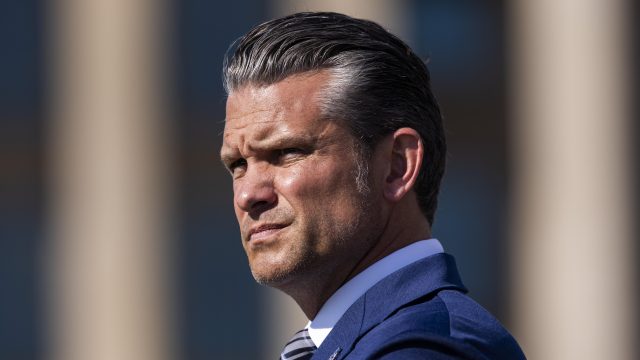
Photo: MEP Thomas Waitz, European Parliament Multimedia library
Updated: May 23, 2025 - 11:59